
Brought to you from the wild, wonderful Outer Hebrides, OH!CAST is a geek culture podcast where the Atlantic winds meet the winds of change in fandom, gaming, and all things nerdy. Tune in for insights, laughs, and plenty of “oh!” moments..

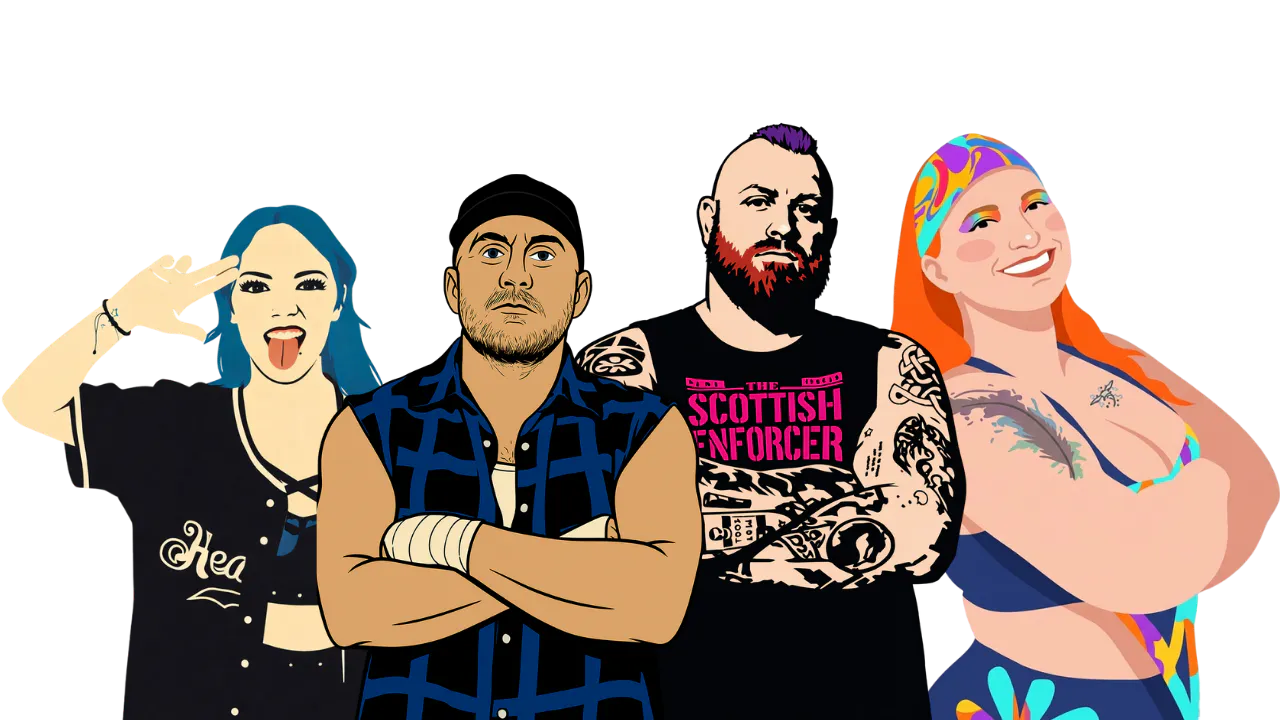
OH!CAST is your deep‑dive into geek culture, retro TV, cult media, and the wonderfully chaotic worlds of science fiction fandom. Each episode blends sharp conversation, unfiltered geek humor, and genuine curiosity as Cal sits down with actors, writers, wrestlers, creators, and the people shaping the fandoms we obsess over.
From geek culture interviews and behind‑the‑scenes stories to pop culture insights that break down why these worlds matter, OH!CAST celebrates the passion, nostalgia, and weirdness that make fandom such a powerful force. Whether it’s sci‑fi, fantasy, horror, gaming, comics, or the strange corners of internet culture, the show digs into the characters, creators, and communities that keep these universes alive.
If you love nerd culture, retro classics, cult favourites, and conversations that bounce between thoughtful analysis and absolute chaos, this is your place to geek out. Every episode brings something new a fresh perspective, a forgotten gem, a wild story, or a guest who completely derails the conversation in the best possible way.
OH!CAST isn’t just a podcast. It’s a celebration of the stuff we love, the people who make it, and the fans who keep it alive.
In this episode of OH!CAST, we bring you one of our most distinctive Geek Culture Interviews, featuring former Scottish Green Party co‑convener Patrick Harvie in a conversation that blends sci‑fi nostalgia, political insight, queer identity, and the emotional power of storytelling. This discussion sits right at the intersection of geek culture, pop culture insights, geek humor, and science fiction fandom, exploring how the stories we grow up with shape the people we become.
Patrick begins by reflecting on his earliest sci‑fi memories: the gentle, surreal charm of The Clangers, the Oliver Postgate classics that taught kindness, curiosity, and moral imagination. He shares how these five‑minute tales stayed with him into adulthood, even screening them alongside Silent Green for his 40th birthday — a perfect pairing of childhood innocence and dystopian commentary. These moments set the stage for a lifelong relationship with sci‑fi as both comfort and provocation.
We dive deep into Doctor Who, especially the Tom Baker era, where eccentric humor and philosophical one‑liners shaped Patrick’s sense of identity. He recalls the emotional shock of regeneration stories and how the Doctor’s “otherness” resonated with him growing up queer in 1980s Scotland. Sci‑fi became a language for difference long before he had the vocabulary for his own experience. This episode explores how science fiction fandom often becomes a refuge for people who feel out of place — a theme that runs through Patrick’s personal story and the wider geek community.
From there, we shift into the political power of sci‑fi. Patrick breaks down how Doctor Who has always been political — from the Daleks as fascist allegories to “The Green Death,” which tackled environmental destruction, corporate greed, and the fight against the “boss class.” These pop culture insights reveal how sci‑fi helps us examine societal collapse, inequality, war, and environmental crisis in ways traditional drama can’t.
We explore Star Trek as both utopia and critique. Patrick discusses how the Federation’s shiny future contains cracks: corruption, moral failure, and the tension between ideals and reality. He highlights iconic moments like “There are four lights!” and connects them to modern disinformation, post‑truth politics, and the cultural impact of toxic tech‑bro ideology. Sci‑fi becomes a tool for understanding manipulation, propaganda, and the fragility of truth in an era dominated by AI and social media chaos.
Patrick also reframes Star Wars through a green‑politics lens. Despite its advanced technology, the Star Wars universe is fundamentally about inequality, exploitation, and the failure of technological progress to guarantee human progress. He connects themes of wealth concentration, militarism, and environmental degradation to real‑world political challenges — offering geek culture analysis that reframes the franchise in a fresh, provocative way.
We talk fandom communities, neurodiversity, and the sense of belonging that conventions like OCON create. Geek spaces often attract people who never felt at home in traditional social structures, and Patrick reflects on how these communities offer connection, identity, and acceptance — a core part of modern science fiction fandom.
Finally, Patrick shares his love for Deep Space Nine, calling it the pinnacle of Star Trek storytelling. We explore war, trauma, faith, political complexity, and how DS9’s long‑form storytelling allowed Star Trek to explore darker, more mature themes without losing its heart.
This episode blends geek culture interviews, pop culture insights, geek humor, and deep sci‑fi analysis into one of the richest conversations we’ve ever hosted.

Behind-the-scenes stories from a bestselling author shaping iconic lore.
Fallout Season 2 is one of the most anticipated follow-ups in recent TV adaptations of video games.
Buffy Season 4 marks one of the most dramatic transitions in Buffy the Vampire Slayer.
Before the bright lights of global television deals and sold-out arenas, the heart of wrestling lived in community halls, small venues, and passionate local crowds.
The Heather Blue wrestler interview offers a fascinating insight into the journey of one of independent wrestling’s rising talents. Professional wrestling requires dedication, creativity, and resilience, and Heather Blue has quickly established herself as a performer to watch.