
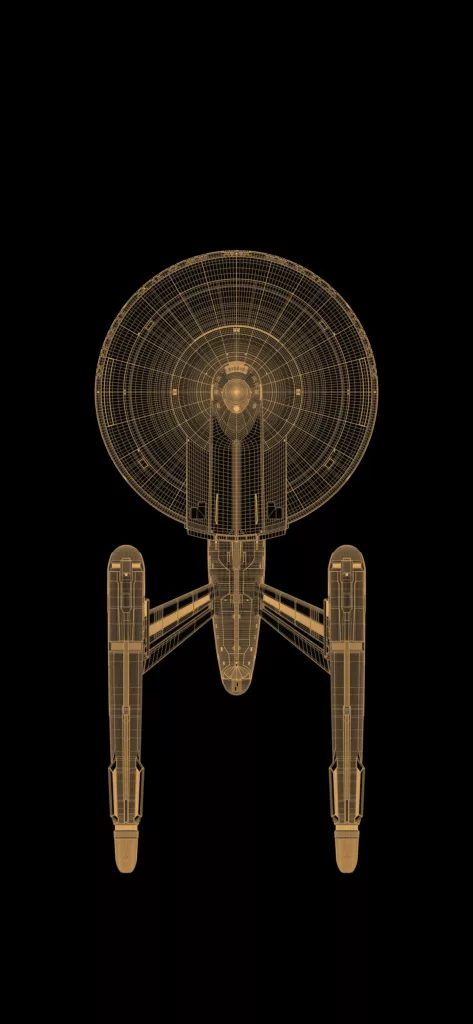
Star Trek TOS Season 1 stands as one of the most influential achievements in science fiction television. Few television seasons have shaped an entire genre the way Star Trek TOS Season 1 did. Debuting in 1966, the first season of Star Trek: The Original Series didn’t just introduce audiences to Captain Kirk, Mr. Spock, and the USS Enterprise — it established a storytelling blueprint that modern science fiction still follows. More than half a century later, Star Trek TOS Season 1 remains a masterclass in world‑building, character dynamics, and bold thematic ambition, proving why it continues to resonate with new generations of viewers.
A Season Built on Big Ideas
What makes Star Trek TOS Season 1 stand out, even today, is its commitment to high‑concept storytelling. The season wastes no time diving into philosophical dilemmas, ethical conflicts, and allegories disguised as space adventures. Episodes like The Corbomite Maneuver and Balance of Terror explore fear, diplomacy, and the consequences of misunderstanding — themes that feel just as relevant in 2026 as they did in the 1960s.
The writers behind Star Trek TOS Season 1 weren’t afraid to push boundaries or challenge audiences with stories that asked them to think deeply about humanity’s place in the universe. Instead of relying solely on spectacle, the season uses science fiction as a lens to examine moral and philosophical issues, creating stories that remain timeless.
Iconic Characters From the Start
One of the reasons Star Trek TOS Season 1 remains so beloved is the strength of its character work. The chemistry between William Shatner’s Captain Kirk and Leonard Nimoy’s Mr. Spock is already fully formed, balancing logic and instinct in a way that drives the show’s emotional core. DeForest Kelley’s Dr. McCoy adds warmth, humour, and moral grounding, creating a trio dynamic that would become one of the most iconic in television history.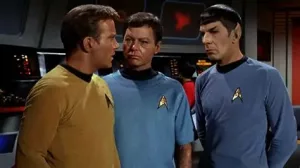
Even supporting characters — Uhura, Sulu, Scotty, and later Chekov — contribute to a sense of a lived‑in, functional starship crew. Star Trek TOS Season 1 establishes the Enterprise not just as a setting, but as a community. The bridge crew feels cohesive, diverse, and purposeful, reflecting the show’s optimistic vision of the future.
Groundbreaking Themes and Social Commentary
Star Trek has always been political, but Star Trek TOS Season 1 delivers some of its sharpest commentary. Through allegory and metaphor, the season tackled issues like racism, war, authoritarianism, and the dangers of technological overreach. Episodes such as The Devil in the Dark challenge assumptions about “the other,” while Errand of Mercy critiques the futility of conflict and the stubbornness of warring powers.
This willingness to engage with real‑world issues — while still delivering compelling adventure — is a major reason Star Trek TOS Season 1 continues to attract new viewers. The show’s ability to blend entertainment with meaningful commentary helped elevate science fiction from pulp escapism to a respected storytelling form.
Aesthetic Legacy: The Look and Feel of Early Trek
From its colourful sets to its minimalist costume design, Star Trek TOS Season 1 established a visual identity that remains instantly recognisable. The bright primary colours, the clean silhouettes, and the practical effects all contribute to a retro‑futuristic charm that modern sci‑fi often tries to emulate. The season’s visual style is bold, theatrical, and unmistakably iconic.
For creators today — including podcasters, artists, and designers — Star Trek TOS Season 1 offers a treasure trove of stylistic inspiration. Its bold palettes and stage‑like compositions lend themselves perfectly to modern reinterpretation, whether in fan art, episode cover designs, or social media branding.
Why Season 1 Still Matters
In an era of prestige television and billion‑dollar sci‑fi franchises, it’s easy to overlook the humble origins of the genre’s biggest ideas. But Star Trek TOS Season 1 remains essential viewing because it proves that imagination, character, and thematic depth matter more than spectacle. The season’s influence can be seen everywhere: in episodic storytelling, in ensemble casts, and in the way science fiction uses metaphor to explore humanity.
Whether you’re a lifelong fan or a newcomer discovering the Enterprise for the first time, Star Trek TOS Season 1 offers a blueprint for how to tell stories that endure. Its themes, characters, and ideas continue to shape the genre, ensuring that this groundbreaking season remains a cornerstone of science fiction history. If you enjoy this retrospective then check out our Buffy Retrospective