The Psychology of Horror Movies: Why We Love to Be Afraid
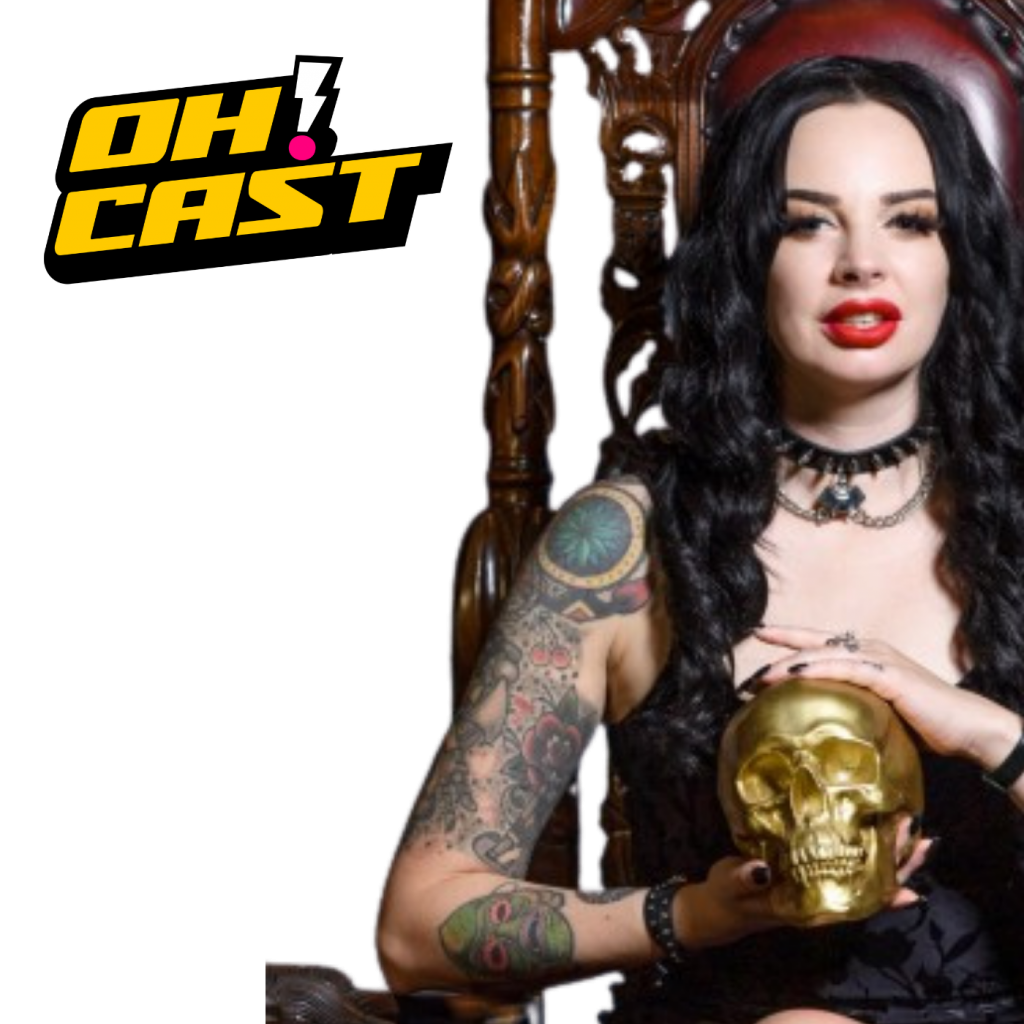
The psychology of horror movies is far more complex than jump scares, monsters, and gore. As psychotherapist and lifelong horror fan Katie Evans explains, horror taps into deep emotional processes, unconscious fears, and even therapeutic release. Far from being “just scary films,” horror movies offer a unique window into how we cope with fear, trauma, and the darker corners of the human mind.
Where Our Love of Horror Begins
For many fans, the fascination starts young. Katie describes growing up in a household where horror wasn’t encouraged, yet she found herself drawn to spooky books, ghost stories, and VHS cover art at the local video shop. This early exposure to fear — in a controlled, imaginative way — is a common theme in the psychology of horror movies. Children often explore fear through stories long before they’re allowed to watch films, building a foundation for the thrill-seeking that comes later.
Why We Seek Out Fear
One of the core ideas in the psychology of horror movies is recreational fear — the strange but powerful pleasure we get from being scared in a safe environment. Horror gives us:
-
Catharsis: A controlled way to experience fear, anxiety, and tension.
-
Relief: The satisfaction of surviving the emotional rollercoaster.
-
Mastery: A sense of strength from confronting frightening ideas and emerging unscathed.
Katie explains that horror lets us “sit with difficult feelings” without real-world consequences. We can pause, rewind, or walk away — something we can’t do with real trauma or anxiety.
Horror as a Mirror of the Mind
The psychology of horror movies goes deeper than thrills. Horror reflects our inner worlds, especially the parts we avoid. Jungian ideas of archetypes, shadows, and subconscious fears appear everywhere in the genre. Monsters often represent:
-
The Other
-
Repressed emotions
-
Social anxieties
-
Cultural taboos
-
Personal trauma
From vampires rooted in centuries-old folklore to slashers embodying psychosexual repression, horror has always been a symbolic language for the things we struggle to articulate.
How Horror Evolves With Society
Every decade of horror reveals what society fears most. Early monster films explored fear of the unknown. The 1980s slasher boom reflected anxieties around youth culture, sexuality, and violence. Modern horror often focuses on trauma, identity, and social issues.
Katie highlights how films like The Invisible Man helped her process relational trauma — a powerful example of how the psychology of horror movies intersects with real emotional healing.
The Final Girl and Feminist Readings
The slasher genre is often criticised as misogynistic, but the psychology of horror movies reveals a more nuanced picture. The Final Girl trope — from Nancy Thompson to Laurie Strode — represents resilience, transformation, and empowerment. Regardless of gender, audiences identify with her journey from vulnerability to strength.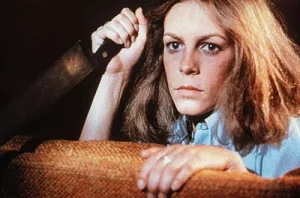
Even characters like Ash Williams can be read as “final girls,” showing how horror subverts traditional gender roles and expectations.
Dreams, Nightmares, and Vulnerability
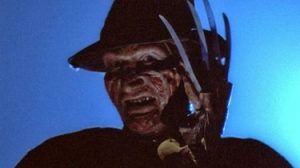
Few films capture the psychology of horror movies better than A Nightmare on Elm Street. Freddy Krueger weaponises sleep — the moment we’re most vulnerable. Scenes like the long-armed alley walk or the bathtub claw tap directly into universal nightmare imagery. Horror works best when it reflects fears we’ve already felt.
Horror, Identity, and the Power of the Uncanny
Another fascinating layer in the psychology of horror movies is how the genre explores identity. Characters who are “othered,” misunderstood, or socially excluded often become the emotional core of modern horror. Films like Hellraiser, Jennifer’s Body, and The Lost Boys use monsters, demons, and vampires to express themes of queerness, desire, rebellion, and transformation. Horror gives space to identities that mainstream cinema often sidelines, allowing viewers to see themselves reflected in powerful, unconventional ways. This emotional connection is a major reason the psychology of horror movies continues to resonate so deeply with audiences today.
Conclusion: Horror Helps Us Understand Ourselves
The psychology of horror movies shows that fear isn’t just entertainment — it’s a tool. Horror helps us explore trauma, confront subconscious fears, and understand the darker parts of human nature. As Katie Evans demonstrates, horror isn’t about becoming “weird”; it’s about embracing the complexity of our emotions and finding meaning in the shadows.