
90s Music Nostalgia: The Songs That Defined a Generation
There is something uniquely powerful about 90s music nostalgia. A song can transport you back decades in seconds, bringing back memories of school, summer holidays, old friends, first gigs, video games, family life and those strange moments that seemed insignificant at the time but stayed with you forever.
That is exactly what makes the latest OH!CAST discussion so much fun. In this special episode of Psy Fidelity, the usual host becomes the guest, using twenty songs from different stages of his life as a way to explore memories, influences and the music that helped shape him.
What Makes 90s Music Nostalgia So Powerful?
The episode demonstrates that nostalgia isn’t necessarily about remembering a particular song as being objectively the “best”. Instead, it is about what that song represents.
Iron Maiden’s Evil That Men Do, for example, is connected to memories of childhood, a brother’s cassette tape and a particular summer spent visiting a grandmother. The music became associated with a specific place and time, creating a personal soundtrack that could never mean quite the same thing to anyone else.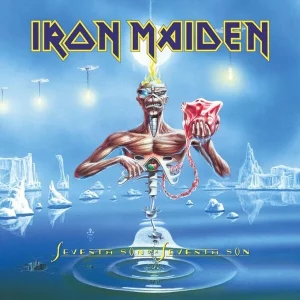
That is the real magic of 90s music nostalgia. A song doesn’t just remind you of itself. It can remind you of who you were when you first heard it.
The conversation also explores the experience of discovering new music as a teenager. Hearing Soundgarden and other grunge bands on Tommy Vance’s Friday Rock Show becomes a memory of winter nights, radio broadcasts and the excitement of discovering sounds that seemed completely different from what had come before.
From Grunge to Rock and Beyond
Grunge plays a major role in this musical journey. Pearl Jam, Soundgarden, Stone Temple Pilots and Alice in Chains all feature in the discussion, alongside reflections on why grunge connected so strongly with young listeners.
There is an appreciation for the raw emotion of the genre and the way its musicians appeared to be addressing real feelings and experiences rather than presenting an unattainable rock-star lifestyle.
Stone Temple Pilots also provides an opportunity to talk about how perceptions of bands can change over time. Music that was dismissed or criticised when it was released can eventually become something listeners appreciate much more deeply.
That changing perspective is another important part of 90s music nostalgia. Growing older doesn’t necessarily change the music. It changes the listener.
The Personal Soundtrack of Growing Up
One of the most enjoyable aspects of the conversation is how music becomes intertwined with everyday life.
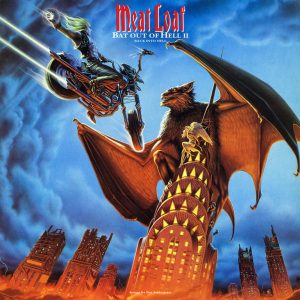
Meat Loaf’s Bat Out of Hell II brings back memories of a particularly dramatic winter in the Hebrides, complete with heavy snow, power cuts, freezing temperatures and Christmas celebrations around a peat fire.
A completely different song recalls schooldays and the cruel humour of teenagers. Another brings back memories of studying for exams while listening to Aerosmith’s Get a Grip.
These stories demonstrate why creating a personal musical history can be so fascinating. The songs aren’t simply tracks on a playlist. They are time capsules.
The 90s Were About More Than Britpop
The conversation also challenges the idea that the 1990s can be reduced to Britpop.
While Oasis, the Manic Street Preachers, Pulp and other major acts are discussed, the musical landscape was far broader. Rock, metal, grunge, hip hop, rave, ambient techno and alternative music all existed alongside one another.
There is also a reflection on how some artists and genres were dismissed at the time, only for people to rediscover them years later.
That is particularly true of albums that were criticised when they appeared. Crash Test Dummies, for instance, are remembered fondly despite the negative reaction they received at the time.
Music, Memories and the Changing Internet
The episode eventually moves beyond music into the technology and culture surrounding it.
The discussion touches on Amstrad computers, retro gaming, early internet culture, forums, GeoCities and the experience of discovering things online before today’s streamlined social media landscape.
There is a fascinating connection between the way people discovered music in the 90s and the way people discovered websites, games and other media.
Buying an album meant spending real money and then sitting down with the artwork, lyrics and liner notes. Listening to the whole record could reveal songs that never became singles. That sense of discovery is something that streaming can sometimes make feel very different.
Why We Keep Coming Back to 90s Music
Ultimately, 90s music nostalgia isn’t really about believing that everything from the decade was better.
It is about remembering the excitement of discovering music for the first time.
It is about the songs that accompanied important moments, the albums that played repeatedly during school holidays, the bands discovered through late-night radio and the concerts that became unforgettable experiences.
Most importantly, it reminds us that music is personal. Two people can hear exactly the same song and be transported to completely different places.
That is what makes this OH!CAST episode such an engaging trip through musical memory. By looking back at twenty songs, it becomes much more than a playlist. It becomes a story about growing up, discovering music and the strange, powerful memories that songs can preserve for decades.
And perhaps that is the best thing about 90s music nostalgia: somewhere out there, the next song you hear might take you straight back to a moment you haven’t thought about in years. Check out part 2 here