
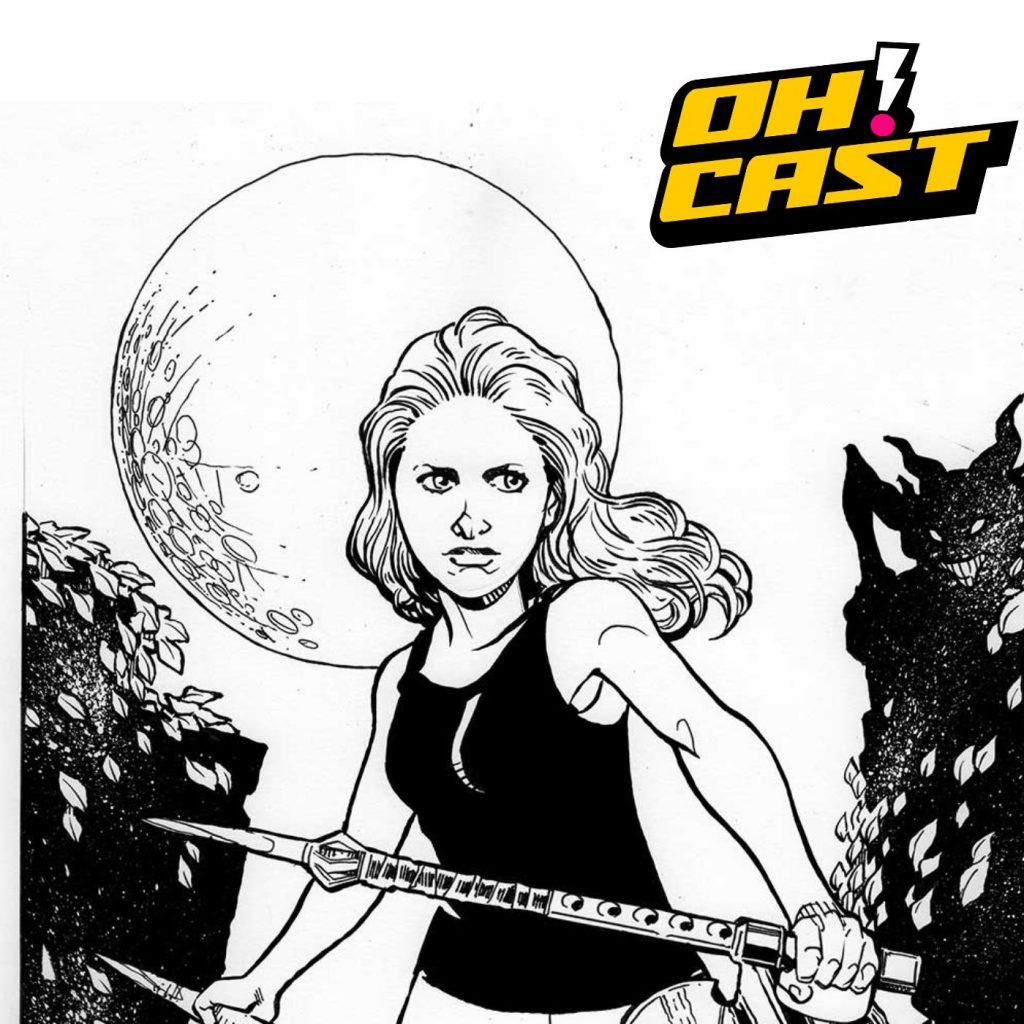
Buffy Comics: Inside Our OH!CAST Interview with Artist Georges Jeanty
The world of buffy comics is bigger, bolder, and far more influential than many fans realise. When Buffy the Vampire Slayer left television in 2003, the story didn’t end — it evolved. And one of the key creative forces behind that evolution was comic artist Georges Jeanty, the penciler who helped bring Buffy’s next chapters to life. In this episode of OH!CAST, we sat down with Georges to explore his decade‑long journey in the Whedonverse, the craft of sequential art, and the surprising realities of adapting a beloved TV show into comic form.
How Buffy Comics Continued the Slayer’s Story
When Dark Horse Comics launched Buffy the Vampire Slayer Season 8 in 2007, it wasn’t just a tie‑in — it was the official continuation of the show. Joss Whedon oversaw the project, wrote major arcs, and invited Buffy’s original TV writers to contribute. For fans, buffy comics became the new canon.
Georges Jeanty joined the project at the very beginning. Although he hadn’t watched the show before being hired, Dark Horse sent him Seasons 5–7 on DVD, and he quickly became immersed in the world of Slayers, Scoobies, and supernatural drama. What he discovered was a series rich with character, emotion, and storytelling potential — perfect material for comics.
Georges Jeanty: From Latchkey Kid to Buffy Artist
Our conversation with Georges reveals a creative life shaped by imagination. Growing up as a latchkey  kid, he spent hours reading comics, watching reruns, and escaping into fictional worlds. He studied graphic arts in college, explored acting and dance, and only committed to comics seriously at age 25.
That late start didn’t stop him from becoming one of the defining artists of buffy comics. What sets Georges apart is his focus on storytelling. He doesn’t just draw characters — he directs them. He thinks in terms of pacing, emotion, and cinematic flow, treating each page like a scene in a film.
Why Buffy Comics Look and Feel Different from the Show
One of the most fascinating parts of our interview is Georges’ explanation of how buffy comics differ from television. Joss Whedon made it clear from day one: the comics had an unlimited budget. That meant Buffy could leap across rooftops, battle on impossible scales, and unleash the full power of a Slayer — things the TV show simply couldn’t afford to depict.
Georges also spent significantly more time drawing Buffy pages than any other project. Not because of difficulty, but because he obsessed over capturing the characters’ personalities. Andrew’s manic energy, Faith’s dangerous charisma, Buffy’s emotional nuance — he wanted readers to hear the actors’ voices in their heads.
The Challenges of Drawing the Whedonverse
Working on buffy comics meant navigating rights issues, character likenesses, and fan expectations. One surprising detail Georges shared: early in Season 8, Dark Horse didn’t have the rights to Spike or Angel. Because Spike was considered part of the Angel franchise at the time, he couldn’t appear until later. That’s why his eventual arrival in the comics was treated as a major event.
Georges also talked about the difficulty of drawing Andrew — not because of his face, but because of his movement. Andrew is expressive, animated, constantly shifting. Translating that into static panels required careful thought and subtle visual cues.
Why Buffy Comics Still Matter Today
Two decades after the show ended, buffy comics remain a vital part of the franchise’s legacy. They expanded the mythology, deepened the characters, and allowed Buffy to grow in ways television never could. They also introduced a new generation of fans to the Slayer’s world.
Our interview with Georges Jeanty is a reminder that Buffy’s story didn’t stop — it transformed. Through passionate creators, bold storytelling, and a medium with no limits, the Buffyverse continues to evolve.
Chapters
- 00:00 Introduction to Comics and Art
- 05:20 Transition to Comics
- 11:21 Comic Book Creation Process
- 22:39 Favorite Characters and Artistic Challenges
- 29:13 Discovery and Appreciation of Buffy
- 37:11 Mentorship and Talent Development in the Comic Industry
- 43:21 Character-Driven Storytelling in Comics and TV Shows
- 49:14 Motion Comics and Artistic Involvement
- 54:51 Impact of AI on Comics and Artistic Expression