
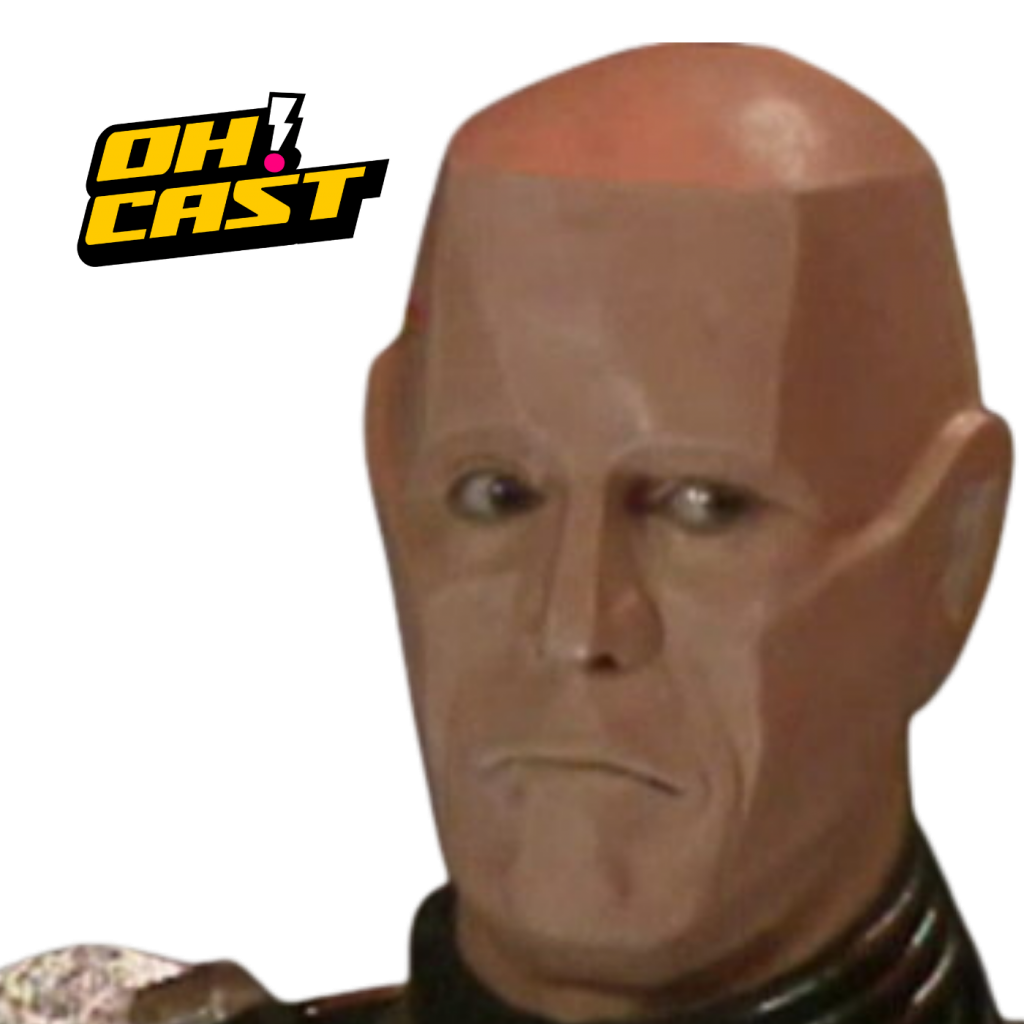
Red Dwarf Season 3: Why This Is Where the Series Really Takes Off
Red Dwarf Season 3 is widely regarded as an important turning point for the beloved British science-fiction comedy. By this stage, the series had established the central crew, the unique mix of science fiction and comedy, and the dysfunctional relationship between Lister and Rimmer. Season 3 takes those ingredients and pushes them further, with bigger ideas, stronger character comedy and a noticeable increase in production ambition.
In our discussion of Red Dwarf Season 3, we look back at the standout episodes, memorable moments and the changes that helped make this era of the show so enjoyable. From Polymorph and Backwards to Marooned and The Last Day, there is plenty to debate when deciding which episodes stand above the rest.
Red Dwarf Season 3 Gets Bigger
One of the first things that becomes apparent when watching Red Dwarf Season 3 is the increase in production value. The discussion highlights how noticeably the budget had increased compared with the first two seasons. The reported budget was around £1.5 million for the series, comparable to Blackadder at the time. However, science fiction presented a much greater challenge because the production had to create futuristic environments, creatures and technology rather than simply dressing existing BBC sets.
That extra investment is visible almost immediately. The series feels more confident and ambitious while still retaining the homemade charm and inventive comedy that had helped establish Red Dwarf.
The result is a season that can attempt much bigger science-fiction concepts without losing sight of the characters.
Polymorph Is a Season 3 Favourite
When discussing the best episode of Red Dwarf Season 3, Polymorph is an obvious contender.
The episode takes the show’s established humour and introduces a creature capable of manipulating the crew’s emotions and personalities. This gives the cast an opportunity to play exaggerated versions of their familiar characters while also allowing the story to explore a genuinely entertaining science-fiction concept.
During the discussion, Polymorph is immediately nominated as a favourite because it successfully combines the silliness of Red Dwarf with the science-fiction ideas that underpin the series.
The creature itself is also praised for its design. Considering the resources available to the production, the Polymorph is surprisingly effective, particularly when its true appearance is revealed. The episode even manages to borrow some atmosphere from classic science-fiction horror while remaining unmistakably Red Dwarf.
Backwards Shows the Ambition of Red Dwarf
Another major highlight of Red Dwarf Season 3 is Backwards. Its central concept gives the production the opportunity to experiment with physical comedy and visual storytelling in ways that the earlier seasons had rarely attempted.
The episode’s reversed world provides plenty of memorable moments, but what makes it particularly interesting is the feeling that Red Dwarf has suddenly become much more confident.
One member of the discussion remembers Backwards as a favourite because it represented a noticeable leap forward. The episode moves outside the studio, benefits from the increased production budget and introduces a new character into the wider Red Dwarf dynamic.
It is an excellent example of how Red Dwarf Season 3 could take a simple science-fiction premise and turn it into an entire episode of inventive comedy.
Marooned Is Character Comedy at Its Best
While Polymorph and Backwards demonstrate the creative possibilities of the series, Marooned shows that Red Dwarf does not need huge effects or elaborate locations to work.
The episode focuses heavily on Lister and Rimmer as they attempt to survive in difficult circumstances. With the story largely centred on the two characters, the episode has plenty of opportunity to explore their personalities and complicated friendship.
The discussion particularly praises the writing and the way Marooned explores the relationship between Lister and Rimmer. Their conversations reveal more about both characters, while the increasingly ridiculous arguments over what can and cannot be sacrificed for survival provide some of the episode’s best comedy.
It is a perfect example of an episode where character development and comedy work together.
Crichton Joins the Crew
Red Dwarf Season 3 is also important because of the introduction of Crichton as a more significant member of the crew.
The discussion touches on the slightly unusual way his arrival is handled. The episode includes a rapid opening crawl containing information explaining how Crichton has become part of the crew, although it is almost impossible to read at normal speed.
Crichton would go on to become an important part of the show’s ensemble. His mannerisms, programming and relationship with the other characters provide a different source of comedy, particularly when his mechanical logic clashes with Lister’s chaotic behaviour.
The Last Day Deserves More Attention
Another episode discussed is The Last Day, which gives Crichton a more prominent role.
The episode explores the concept of Silicon Heaven while dealing with Crichton’s programming and his understanding of his own existence. The discussion also points to the broader question of how the series uses its science-fiction concepts to explore its characters.
Crichton’s development is one of the more interesting aspects of this period of Red Dwarf. He begins as a relatively strange addition to the cast but gradually becomes an important part of the show’s chemistry.
The idea of Silicon Heaven is particularly memorable because it demonstrates the show’s ability to take a potentially philosophical idea and turn it into something completely ridiculous.
Not Every Episode Is Perfect
Of course, a retrospective of Red Dwarf Season 3 does not have to pretend that every episode is equally successful.
Body Swap receives some criticism in the discussion, particularly because of the way the central joke is repeated throughout the episode. The dubbed voices are also questioned, with the feeling that the actors could potentially have had more fun performing each other’s characters themselves.
This is part of what makes revisiting an older television season interesting. Even when an episode does not work completely, there can still be individual jokes, performances or ideas that remain memorable.
Why Red Dwarf Season 3 Still Works
Ultimately, Red Dwarf Season 3 feels like the point where the series really understands what it can do.
The earlier seasons were still establishing the world and characters, but Season 3 increasingly puts those characters at the centre of the storytelling. The discussion suggests that this shift was important: rather than concentrating too heavily on building mythology, the series could take its established characters and throw them into increasingly inventive science-fiction situations.
That approach would become one of the defining strengths of Red Dwarf.
Whether your personal favourite is Polymorph, Backwards, Marooned or another episode entirely, there is a strong case for Red Dwarf Season 3 being one of the most important stages in the show’s development.
It combines ambitious science fiction with character-driven comedy and demonstrates just how much potential the series had. Most importantly, it feels like Red Dwarf has found its voice.
For anyone revisiting the series, Red Dwarf Season 3 remains a fascinating season to watch, discuss and debate — and an important step towards the classic Red Dwarf that would follow