
Introduction: Exploring the World of Studio Ghibli
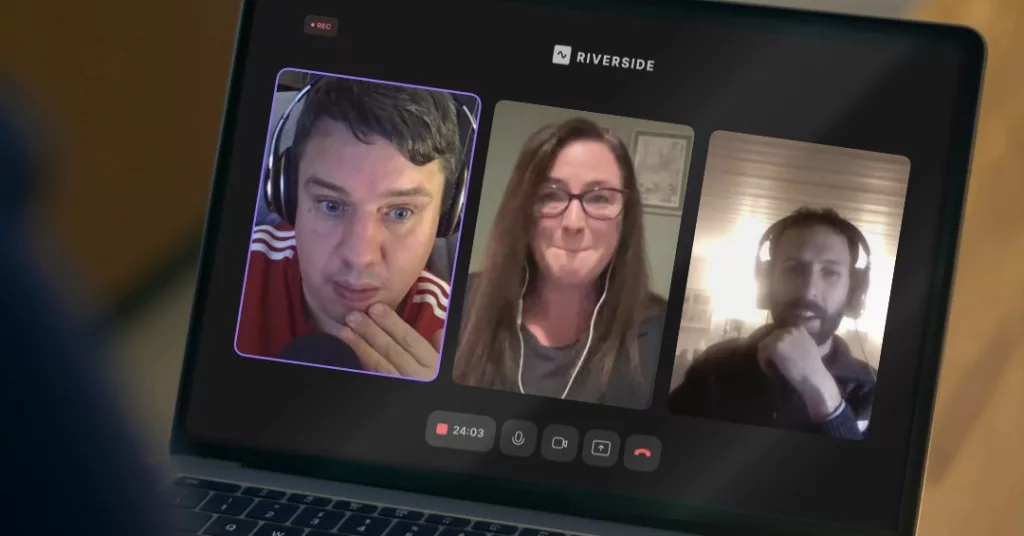
In this special episode of OH!CAST, host Cal MacDonald and the team welcome Dr. Rayna Denison, professor of Film and Digital Arts at the University of Bristol, to dive deep into the enchanting universe of Studio Ghibli. Known worldwide for its breathtaking animation, timeless storytelling, and cultural impact, Studio Ghibli has become synonymous with Japanese animation excellence. This conversation explores the studio’s history, its influence on global cinema, and the enduring legacy of Hayao Miyazaki, Isao Takahata, and their collaborators.
The Origins of Studio Ghibli
Dr. Denison begins by unraveling the fascinating story behind the name “Ghibli.” Some say it was inspired by a warm desert wind, others by an Italian fighter plane. Producer Toshio Suzuki recalls how Miyazaki himself mispronounced the word, cementing the Japanese pronunciation we know today. This anecdote sets the tone for a discussion about how Ghibli blends Japanese artistry with international influences, creating films that resonate across cultures.
Princess Mononoke: A Landmark in Japanese Animation
One of the central topics is Princess Mononoke (Mononoke Hime), the film that broke Japanese box office records and introduced CGI into Ghibli’s production pipeline. Dr. Denison shares her personal journey of writing an 80,000‑word dissertation on the film, analyzing its eco‑fable themes, technological innovations, and international release through Disney and Miramax. With stars like Claire Danes and Gillian Anderson voicing characters in the U.S. version, Princess Mononoke became a cultural bridge between Japan and the West, cementing Ghibli’s reputation as a global powerhouse.
Grave of the Fireflies and Totoro: Duality of Emotion
The episode also highlights the emotional depth of Grave of the Fireflies, directed by Isao Takahata, which was released as a double bill with My Neighbor Totoro. Audiences could leave theaters either devastated or uplifted, depending on the order of screening. This juxtaposition illustrates Ghibli’s unique ability to balance socio‑realist tragedy with whimsical family‑friendly storytelling, a hallmark of the studio’s approach to animation.
The “No Cuts” Katana Story
Listeners will enjoy the legendary tale of Ghibli sending a katana to Harvey Weinstein with the note “No Cuts,” a symbolic protest against the heavy editing of Nausicaä of the Valley of the Wind (released in the U.S. as Warriors of the Wind). This story underscores Miyazaki’s insistence on artistic integrity and refusal to compromise the studio’s vision for international distribution.
Global Influence and Cultural Exchange
Dr. Denison explains how Miyazaki’s fascination with European literature and landscapes shaped films like Howl’s Moving Castle, Castle in the Sky, and Porco Rosso. From Welsh coal mines to French architecture, Ghibli animators traveled abroad to sketch real locations, blending Japanese sensibilities with European aesthetics. This cultural hybridity makes Ghibli films uniquely universal, appealing to audiences worldwide while retaining their Japanese identity.
Rising Stars and the Future of Ghibli
The conversation turns to the future of Studio Ghibli. While Miyazaki remains the studio’s heart, younger directors like Goro Miyazaki (Tales from Earthsea, From Up on Poppy Hill) and animators such as Hiromasa Yonebayashi have attempted to carry the torch. Yet, as Dr. Denison notes, Ghibli’s identity is so intertwined with Miyazaki that its future may shift toward heritage preservation rather than new productions once he retires.
Why Studio Ghibli Remains Special
Ultimately, Studio Ghibli’s magic lies in its ability to craft films for all ages, combining lush animation, universal themes, and a stable roster of talented artists. Whether it’s the environmental allegory of Princess Mononoke, the childlike wonder of Totoro, or the devastating realism of Grave of the Fireflies, Ghibli films transcend cultural boundaries and continue to inspire generations of filmmakers, including Makoto Shinkai (Your Name, Suzume, Weathering With You).
Conclusion: A Celebration of Japanese Animation
<iframe width="560" height="315" src="https://www.youtube.com/embed/KiBOe1lu5dE?si=mEXH5SM9xBEvRDUl" title="YouTube video player" frameborder="0" allow="accelerometer; autoplay; clipboard-write; encrypted-media; gyroscope; picture-in-picture; web-share" referrerpolicy="strict-origin-when-cross-origin" allowfullscreen></iframe>
Full Transcript Outline (Quick Jumps)
00:00 Introduction to the World of Anime
01:22 The Journey to Ghibli: Dr. Reina Denison’s Background
04:51 The Impact of Studio Ghibli on Global Animation
09:08 Exploring the Ghibli Effect and Its Cultural Significance
12:22 Miyazaki’s Vision: The Art of Storytelling in Ghibli Films
17:02 Ghibli’s Influence on Japanese and Western Cinema
19:46 The Unique Aesthetic of Ghibli Films
23:23 Cultural Inspirations in Ghibli’s Storytelling
26:33 The Legacy of Miyazaki and the Future of Ghibli
30:31 Food in Ghibli: A Cultural Exploration
35:13 The Role of Female Characters in Ghibli Films
41:23 Ghibli’s Feminist Narrative and Industry Dynamics
48:32 The Art of Collaboration in Animation
49:40 Exploring the Industrial Side of Anime
52:06 The Future of Anime and AI
54:11 Quickfire Ghibli Fun
01:02:50 Closing Thoughts and Future Engagements
Full Transcript
Cal MacDonald (00:01.223)
All right, good evening everyone. Welcome back to Ocast, your island gateway to all things geek. I’m your host tonight, Cal MacDonald and my esteemed team tonight rejoining us. Kieran, what’s happening with you?
MacFuz (00:15.226)
All right, not much, just not long back in from doing teaching or assisting teaching a boxing class. So I’m still in my boxing hoodie.
Cal MacDonald (00:24.359)
And like I say, our first tonight, you’re seeing Faunce on the screen and there’s no languages, there’s no Gaelic about, so what’s all this about Faunce?
Fañch (00:34.504)
Well, I grew up with Japanese animation as a kid, I want to talk about tonight’s topic for sure.
Cal MacDonald (00:42.969)
Okay, with that I’ll let you take the reins now.
Fañch (00:45.796)
Hi, well, thank you, Carl. And tonight we’re really delighted to be welcoming Dr. Reina Denissen, who is a professor in film and digital arts at the University of Bristol. And with one of the coolest specialty ever. If I had known I could have done a PhD about that, I would have. That is about around Japanese animation. And more specifically tonight, we’ll talk about the studio Ghibli. Or you were telling us…
Ghibli Ghibli, there is a bit of a story behind the name, isn’t there?
Rayna Denison (01:15.602)
Yes, there is indeed, yes. Stories differ. Some people think it’s named after a warm wind that blows off the Sahara Desert. Others think it’s named after an Italian fighter plane. And in the mix of all of that, Toshio Suzuki, the producer at Ghibli, tells a wonderful story about how Miyazaki didn’t know how to pronounce it. And by the time they worked out, it should have been Ghibli rather than Ghibli.
It was too late and so the Japanese name is Ghibli, but it maybe should have been the Italian Ghibli.
Fañch (01:50.964)
All right. Well, I mean, the influence of Italian culture on Miyazaki is quite quite strong. We’ll get to talk a bit more about that, but first tell us a bit about yourself. And it’s quite an exciting job you have, I’d say. How did you get there? How did you end up teaching about animation in Bristol?
Rayna Denison (02:12.338)
along a winding path, I studied Japanese at the University of Oxford as an undergraduate. But I had grown up in America watching Saturday morning cartoons, which unbeknownst to me when I was a child were laced with anime. Anime was everywhere in Saturday morning cartoons. So I grew up watching things like Battle of the Planets and G-Force, on your country, Gachaman in Japanese. And
loved them, absolutely fell in love with anime as a child and kind of then as I started to learn Japanese as an undergrad came back to it and realized how vibrant an animation economy there still was but also just generally fell in love with Japanese cinema from Kurosawa and Ozu through to Miyasaki in the contemporary period. it was a wonderful time to be studying cinema because Japan was really on a rise coming back through
people like Takeshi Kitano and Hayao Miyazaki to the big international festival circuits. So there was lots of Japanese cinema to watch in the 90s and 2000s. And it was just, it’s been a joy ever since, frankly. And I do feel very lucky to have the job I have and to be allowed to spend my time studying Studio Ghibli and other Japanese animation. Today I’m trying to finish a piece on
Makoto Shinkai’s Disaster Trilogy, Your Name, Suzume and Weathering with You. So it’s a big world is Japanese animation.
Fañch (03:50.177)
indeed. And it’s certainly undergoing these days quite a, it seems to be exploding internationally and platforms like Netflix are really putting a lot of effort in offering a lot of things out there. Can you tell us a bit more about your jobs and what do you teach and a bit about where you’re working? It will sound like an advertisement for the University of Bristol, but why not after all?
Rayna Denison (04:10.573)
Yes. So I came to Bristol four years ago now and was head of department until last summer. And now I’m kind of free to go back to research, which is wonderful. So I’ve spent the last year getting back into research and I teach film festivals and I’m currently I spent today assigning dissertations for supervision. So I do the dissertation unit as well at the moment and
Honestly, any time I get to spend the classrooms just a joy, students have the best ideas and always, if you can coax out the joy they have for cinema, for film and TV of any kind, you just see people so passionate and coming alive with their subject. And it’s so great to see.
Fañch (05:01.658)
What did you write your own dissertation on, might I ask?
Rayna Denison (05:05.166)
Mononoke Hime, of course. Princess Mononoke.
Fañch (05:09.736)
any specific focus you had.
Rayna Denison (05:11.618)
Three years just talking about one film. It was a really important landmark movie for Ghibli because of course it’s the first one of their movies that broke all the local box office records. It did really well. People were queuing around city blocks to watch Mononoke Hime, sorry, Princess Mononoke when it first came out. And so I was in Japan at the time.
and was seeing this unfold and was just so intrigued by why people were so into this eco fable. It seemed like such a strange thing. And then as I got into studying it more, obviously, I found out so much more about how pivotal it was. You know, it’s the first kind of establishment of CGI in Studio Ghibli films. They’d done little dabbling.
like attempts to do CGI before, but they had to actually really invest in it for Princess Mononoke. And then of course, it’s one of the first Ghibli movies to go to America through the Disney Ghibli deal. And my God, that cast in America was for anime unheard of at the time. know, have Gillian Anderson and Claire Danes doing voices for that movie was amazing.
And then finding out more about what happened to it when it was released by Disney in this or sorry, Miramax on behalf of Disney in the States was fascinating again, because people were driving six hours to watch the film because that was the closest place to them that it was showing. So all of this was just fascinating to me and I couldn’t, you know, I kind of.
kept thinking I would do the whole of Ghibli, but kept coming back to Princess Mononoke over and over again. And 80,000 words later had a dissertation. So that was really joyous. And from there, I’ve kind of broadened out, I have a deep love of animation from all over the world. And also for popular genre cinema, because that’s the kind of cinema from under-
Rayna Denison (07:26.712)
from other countries that doesn’t get tend to get talked about very much. So, you know, most of your listeners, I’m sure will have heard of people like Kurosawa, but probably not. echo sorry, but probably not more contemporary Japanese directors, you know, so it’s, it’s great to be doing work on women directors and people from Japan that other other scholars maybe don’t have time to work on or
other audiences might not get to see quite so often.
Fañch (07:58.481)
I think it’s really interesting. do remember Mononoke quite a bit when it came out in, I grew up in a French country. it came out, I remember my mother saying, let’s go see it. And I was a little boy. So all I thought was, princess, probably not going to be for me. At the end of the film, all I wanted to do was go back, see it. And I was already a fan of Porco Rosso. I just hadn’t understood it was the same people making it. So I have that memory engraved in my mind for sure.
Rayna Denison (08:07.118)
Hmm.
Rayna Denison (08:11.778)
Yeah.
Fañch (08:27.732)
I can understand that it caught your attention very specifically. You’ve written since more research on it. I think you’ve published articles as well as your PhD haven’t you?
Rayna Denison (08:36.812)
Yeah. I never published the PhD, but I’ve published about half of it in articles. And I did an edited collection with other scholars all about Princess Mononoke, I think for its 20th anniversary.
Fañch (08:53.172)
Kiran, do you have anything you want to put in?
MacFuz (08:57.914)
Yeah, so I’ll start with… what kind of… You’ve kind of touched about what kind of led you into studying Japanese animation, researching it, and then of course doing dissertations on it. What was it about Ghibli that kind of drew you to use the studio as your main sort of resource and your main study field?
Rayna Denison (09:23.084)
Yeah, so I started off writing a book just about anime and anime history. And then within that wrote one chapter on Ghibli. And as I was writing that chapter, I kept having to cut it because there was so much more to say. And Ghibli is genuinely a gift that keeps on giving. The more I find out about it, the more is often the exception to every rule of anime. Like, do they even make anime at Ghibli or is it?
Manga Ego or like cartoon films back in the full animation toy animation style. know, these, everything about anime and Ghibli creates friction and difference and tension that is wonderful to study. It’s just great for an academic because it’s always exceptional and it’s always the exception.
MacFuz (10:16.612)
Nice. So, you mentioned how he kind of like, you’ve already talked about how the, the pronunciation of Ghibli came about. So another story I’ll probably ask you if you, if you’re aware of it. Yeah. I won’t be surprised if you do, if you are. but do you know about the time where one of Miyazaki’s, I think one of his directors or one of his, publishers, someone who works under him anyway, had sent a Katana to…
Disney or one of the American publishers on the basis of, no, we’re not going to be editing our films by your standards sort of thing.
Rayna Denison (10:55.806)
do you want me to do the whole, the long version of the story? Okay. So the story goes before the Disney Tokoma deal, which was actually between Buena Vista Home, or Buena Vista International and Tokoma Shoten, the publishing company that owned Ghibli at the time. Before that deal, they actually released a couple of the Ghibli films in America or in North America.
MacFuz (10:59.338)
Yeah, yeah, yeah, think we’ve got a decent amount of time, hopefully.
Rayna Denison (11:25.81)
One Nausicaa of the Valley of the Wind was known as Warriors of the Wind and they cut about almost an hour out of it I think if I’m remembering right and it bears very little resemblance to you know the wonderful female-centered eco story that you know that was making a point about nuclear power and destruction that Miyazaki was trying to to say within the film.
And so yes, it’s not clear who it was. Steve Alpert tells this story in his book about Ghibli where he was in the international department at Tokoma working with Ghibli. There was originally the story that it was Miyazaki that sent a katana. It doesn’t seem to be Miyazaki. It seems to have maybe been Suzuki or someone else in that department doing a marketing stunt.
Yes, they sent a katana with, well they somehow got a katana to one Harvey Weinstein at Miramax. And they had a note attached to it that just said, no cuts. And so yeah, that was a, it’s a real story, apparently. Where the idea came from, it’s not entirely clear. There’s different versions of it out there. But I love the idea that
Miyazaki was so fed up with people taking his work and doing things with it that he was really insistent on how the films were translated and how they changed the soundtracks as well because apparently Disney wanted to Americanise the whole soundtrack, change the music, re-edit the music together so that there were, you know, kind of more heightened emotional moments in the films. And he was just like, no, no cuts, no changes.
And so they were having to run the whole scripting process back through Ghibli over and over again, which was one of the things Steve Alpert was doing for them.
MacFuz (13:31.342)
That’s, that’s pretty, because I’ve heard that story before, but I didn’t know like the details of that. knew it was obviously could have been Suzuki. And obviously I forgot it was Harvey Weinstein that received said Katana, which is just like, but of course, I knew about the, the editing done to Nosca of the valley of the wind. or did, was it pronounced Nosca or is it, so now it’s a slight different pronunciation for it.
Rayna Denison (13:42.55)
Yeah.
Rayna Denison (13:50.446)
Hmm.
Rayna Denison (13:57.064)
no, I mean maybe Vance can help us because this is one where it’s coming from Norse through Scandinavia. think.
MacFuz (14:00.516)
Hahaha
MacFuz (14:04.984)
Yeah, I was at Norse. Okay, that makes sense. They do tend to use a lot of sort of sounds for S’s. It’s also how that influences Scottish Scots Gaelic, but that’s a whole different conversation. But yeah, okay, kind of sounds…
Rayna Denison (14:15.01)
Mmm.
In Japanese, it’s probably very different. It’s naoshika. Naoshika. Yeah.
MacFuz (14:21.658)
Nausicaa. I might refer to that from here on. But yeah, when you mentioned about how it wasn’t just the scripting that would have been affected and edited, but the soundtrack, okay, that was new to me. And I’m just the first thought in my head was I’ve not seen every single Ghibli film. But as the first example that comes to mind, like one that would probably arguably be affected most by that editing would
Rayna Denison (14:35.374)
you
MacFuz (14:50.094)
maybe be great with the Fireflies, because I imagine that has quite the soundtrack to it already. That’s one I’m kind of hesitant to see, to be fair, but.
Rayna Denison (14:59.192)
Yeah, Grave wasn’t part of the Disney tokuma deal. No, because it’s… I forget who the publisher… it’s owned by another publisher in Japan, so they had to make a separate deal for that one and that’s why it comes over later.
MacFuz (15:03.707)
was it not? Okay, that’s good.
MacFuz (15:17.59)
okay, okay, because know was, Graveyard of Fireflies is quite very personal to Hayao Miyazaki because that was his own personal experience growing up.
Rayna Denison (15:28.974)
So it’s directed by his senpai, his elder statesman, kind of big brother at the company, Isao Takahata. But Miyazaki was, I think, one of the producers. am I getting that right? No, I’m not. He produces others of the films. But yeah, it’s really important to both of them. I think.
MacFuz (15:34.081)
Uh-oh.
MacFuz (15:43.45)
You
Rayna Denison (15:54.454)
It was released in cinemas in Japan at the same time as My Neighbor Totoro as a double bill. So that’s a double bill that would have been fun to watch. apparently people were so unsure about it at the time that they let the cinema owners choose which one to show first so they could have audiences leaving in tears or leaving with happy smiles. So I think you can probably guess which way they went.
MacFuz (16:23.647)
Yeah, of course. Yeah. So I
Rayna Denison (16:24.066)
most of the time. But those two films are like mirror images, right? Grave of the Fireflies is this socio-realist, really personal film in which you’re right, Isao Takahata does reflect on and add to the original story with his own personal experiences of war.
MacFuz (16:46.168)
Yeah, because I think with everything else that Ghibli and Miyazaki and of course his senpai have produced, Princess Mononoke, My Neighbor Totoro, The Cat Returns, etc. Even though they have these serious messages that they want to try and influence the current generations, we shouldn’t be developing nuclear war and look after our environment, look after the wildlife. But they always has a happy sort of family-friendly tone.
There’s always some lightheartedness, know, for example, Ponyo, another one I’ve seen clips of not seen fully, but that’s another nice little happy, jolly, romantic one. But from what I understand, Harry’s respect for the ocean. And then of course you’re hit by Grave of the Fireflies.
Rayna Denison (17:33.758)
most devastating animated film ever made, yes. Or at least, at least in the top 10 of them for sure. There’s some pretty devastating animated films out there.
Fañch (17:44.693)
Indeed. You kind of touched upon it. It’s quite interesting talking about Ghibli and how special it is in many ways. Its influence on, well, in many ways on Western society, right? It’s still every time it comes out, we have their big, it’s an ex Ghibli, go see it. The master has come out again to make one last film before he retires for good this time. I, yeah, yes, as many times as it gets, it needs, but.
Rayna Denison (18:08.886)
I how many times is he going to retire? I thought my career on Ghibli was done with Princess Mononoke because he retired after that one. yes, nearly 20, what, 20 years later he’s still making films. Hang on, I can’t do maths. would be, Well over 20 years later.
Fañch (18:19.538)
That was a long time ago.
Fañch (18:27.294)
Hi.
Yeah, near a bit, or? And yeah, but what I was wondering, because this influence on us definitely in Western culture is big, how is it? Could you tell us a bit? How is it in Japan? Because we perceive Ghibli as so uniquely special. Do they have the same kind of reputation back home?
Rayna Denison (18:50.972)
yes, yes. So as I said, I was just working on a piece by Makoto Shinkai, who directed Your Name. And in one of the interviews he does that I’ve just read, he’s talking about how influential Ghibli was on him. So yes, there’s a whole generation of directors coming through who’ve either worked at Ghibli or were influenced by Ghibli. And so, yes, it’s massively important just to the industry, but also
At the height of their power across the 2000s, the press would report on the Ghibli effect. Anytime a Ghibli movie would come out, the box office takings for Japanese cinema would go up by a significant percentage point for the whole year. You know, they would have a massive impact on film going and film viewing. And I think they laid the foundation for what we’re seeing now as animated films.
come out in Japan, they’re doing much, better than they used to. So something like Your Name, Breaking Box Office Records, or Infinity Castle from the Demon Slayer series, which has just come out and broken all records again. Like these, this kind of animated film hit phenomenon was really created by Studio Ghibli and by Hayao Miyazaki at Ghibli. Though
There’s always been a tension at Studio Ghibli between art and commerce. So I think both Miyazaki and Takahata would talk about themselves and see themselves as animation artists or as being in the world of animation art. It’s just Suzuki made them incredibly popular.
Fañch (20:37.33)
Hi.
Rayna Denison (20:37.838)
But yeah, those movies made, I I haven’t got the data in front of me, so forgive me if I’m wrong, but I think you’re talking over $100 million for Princess Mononoke and then near nearer 200 for Spirited Away at the local box office in Japan. These are massively popular films.
Fañch (20:54.42)
near 200 for Spirit of the Wave at the local box office in Japan. These are massively popular things. What’s special about Ghibli? There is so much art, anime obviously so rich, and there is so much outside of Ghibli which is uniquely beautiful. What’s special about them?
Rayna Denison (21:17.731)
Bye.
You
Very good question. They were making, they’ve always made films that don’t look like the rest of anime and they’re often for whole family audiences in a way anime often isn’t. Anime is often made for boys or for girls or for adults but Ghibli films are made for everyone so they can really appeal to a widespread audience and get a lot of people through the door for that reason.
I the universal themes don’t hurt, but also just the lushness of the animation. These films look better than other films of their times often, because they have bigger budgets, they have a house style that people know and love already. So one of the great things about Ghibli is they don’t just hire people project by project. They’ve had over the height of their power.
a stable roster of people working for them. And that means you can create things together over time and get really good at it. you know, everybody is right at the top of their game.
Rayna Denison (22:35.192)
So yeah, beautiful films.
Fañch (23:03.134)
post-World War I Italy and everybody’s Italian and there is a rise of fascism. But even though there are more fantasy set in other worlds, you can see this influence of Art Nouveau and Art Deco and 19th century, a bit of steampunk here and there. Can you tell us more a bit about this communication of culture within Ghibli, which is both extremely Japanese and has this kind of traveling touch to it in many ways?
Rayna Denison (23:28.59)
So a lot of Miyazaki’s films in particular are actually adaptations of literature that’s in translation in Japan from European authors. So Diana Wynne-Jones, of course, and so things like Howl’s Moving Castle are famously from authors and Tales from Ursy by Ursula Le Guin. I think she’s American, but anyway, but yes, so European Anglophone literature.
So one of the stories is that Miyazaki was in his literature club, his children’s literature club at university and read and got into reading children’s literature while he was at university. And so he really well read around fantasy literature from around the world. He’s quite influenced.
by Russian fairy tales as well as European stories. So often what we get in Ghibli’s European films are ones, are kind of fantasiescapes of European past and very specific. So even something like Castle in the Sky is based on imagery that Miyazaki sketched on a trip in
Thatcher’s 80s to the UK, where he went and toured disused mines and went to the pub a lot in Wales. So there’s a great story in one of the in one of the books about Ghibli about his poor interpreter who was going around with Wales with him. And he wanted to show him, obviously, all the castles and the things that you would normally see if you were a tourist in Wales. And he was saying, no, no, no.
would like to go to the coal mines. So there were these great images in Castle in the Sky even of kind of nature starting to take back the industrial landscape and those come direct from Wales. But you see that imagery again in things like Howells Moving Castle in the backgrounds in some of the architecture there as well as there being architecture in that movie from
Rayna Denison (25:49.802)
think Alsace-Lorraine, kind of area. And of course with Porco and Kiki and others, there’s other European landscapes in there as well. French and Italian of course. And this is possible because Ghibli’s a fairly well-off company, so they would send their animators to those countries to do architectural surveys and get photographs and do sketches of buildings and light and
scenery from the real European locations so even Ghibli’s fantasies are based in our world.
Fañch (26:27.992)
fascinating. It’s, while we’re talking about Miyazaki and I’ll give you a chance, Kieron, to ask something else. I’m just, while we’re on him specifically, he’s obviously a big star and has been for quite a while in Ghibli. Would Ghibli, it’s a stupid question, but I’m interested in your answer. Would Ghibli be the same without him?
Rayna Denison (26:50.67)
There would be no Ghibli without him. Ghibli was founded in 1985. And as Suzuki tells it, was founded specifically to make films by Hayao Miyazaki and Isao Takahata.
I, given the sale of Ghibli to Nippon Television, I think it was last year or the year before, I am deeply suspicious that when and if Miyazaki ever stops making films, the studio may do, like go into a heritage mode or a library mode where
NTV will be responsible for the licensing thereafter, but there won’t necessarily maybe be more films to come. Unless, of course, they can convince one of the old school that have left Ghibli now to come back and become its main director. But honestly, think a bit like with Mushy Pro, which was Osamu Tezuka’s company that he made Astro Boy with and a bunch of other great
programs and films. When he died, it also went into kind of this this kind of heritage mode where it was more about just keeping keeping those things in circulation and on the air and in cinemas from time to time rather than trying to produce new works. Occasionally licensing them to other things and that’s been fascinating in recent years as Miyazaki’s been slowing down the number of theatrical productions globally have been going up.
Fañch (28:29.704)
don’t see any rising stars and any new potential name.
Rayna Denison (28:35.841)
Well there were. So with people like Hiromasayone Bayashi or Yoshiyuki Momose, Ghibli had some of these rising stars but then they kind of shuttered the company in 2014 briefly and a lot of those rising stars left at that time and went to form Studio Ponop.
where they’re now working together and doing other projects. Rising stars like Masashi Ando who joined them.
Rayna Denison (29:16.558)
When did he join? He worked on Mononoke and Spirited Away. Then I think they had he had a falling out with Miyazaki. And then he came back for Princess Kageo, which is Issao Takahata’s last film. But he’s an amazing animator and he’s been working all over the place. So he worked with Satoshi Kon and he did the character animation work for Your Name by Makoto Shinkai.
So are these rising stars, but they’re not necessarily working at Ghibli anymore, sadly.
It’s been a problem for Ghibli. They went through a period of trying to find a replacement or a successor and it just never quite, they never quite did as well as Miyazaki.
MacFuz (30:08.378)
Okay, so you mentioned Tales of Earthsea there. So I’ve got two questions that came to mind. One is related to this. There will only be one different topic if my train of thought stays on track. So regards to Tales of Earthsea, so you mentioned it was originally created by an author. Who was the author?
Rayna Denison (30:15.086)
Yes.
Rayna Denison (30:31.884)
Ursula Le Guin.
MacFuz (30:33.924)
So I take it, do you know of the tension that was caused between Hayao Miyazaki and his son regarding said film, is regarded not Ghibli?
Rayna Denison (30:49.262)
It’s not regarded highly for sure within the Ghibli oeuvre, that’s for sure. So this it’s I am fascinated by this this feud between the father and son. So if you watch the behind the scenes documentaries. and and and Robin, I will.
MacFuz (30:50.97)
That’s it?
Rayna Denison (31:12.258)
talk about Ghibli food as much as you want me to talk about Ghibli food. Yeah, just to answer your question briefly. Yeah, this feud is fascinating. This feud is included in Suzuki’s opening note in the cinematic brochure that they sold on release in cinemas of Tales from Herseys.
MacFuz (31:13.37)
That’s my sister.
Rayna Denison (31:36.68)
which suggests to me it’s a publicity stunt, or at least partially a publicity stunt. But if you watch the behind the scenes making of
It’s clear Miyazaki Sr. is not particularly happy about his son being given the role of director. Previously, Goro Miyazaki had been working at the Ghibli Museum in Mitaka, so wasn’t really doing things in relation to animation. the story that Suzuki was selling was this idea that Goro had grown up immersed in the world of Miyazaki Hayao.
His dad was this amazing director. Goro had grown up around his drawing, his artistry, his abilities were passed on to him somehow. So there were two sides to that story. I feel like it was a lot to ask of someone who’d never directed a film before. Earthsea is a very complicated series of books.
they tried to pick a part of it from about the middle of the third book to do, which is a hard thing to do to build a world around a film that is less than two hours long in a world that deep and that complicated it’s almost impossible so I really I kind of feel for him he had a really hard task ahead of him to Gora Miyazaki trying to do that and yeah I it didn’t go
particularly well. kind of myself felt like I was really enjoying the film.
Rayna Denison (33:17.752)
but it needed to be about another three hours long.
MacFuz (33:22.01)
I did not know that at all that was originally, you know, created as, you know, as a book series prior, I knew bits and pieces, like for example, the, what caused the rivalry and well, not the rivalry, but the, the tension. And I think it was also, I imagine like script work also comes into it as well. and the fact, you know, the fact that he mentions, it’s just basically taken from the middle of the series. It’s just like, okay, no, you don’t do that.
Rayna Denison (33:28.728)
Mmm.
Rayna Denison (33:42.945)
Yeah, yeah.
MacFuz (33:51.541)
You we just don’t start from the middle.
Rayna Denison (33:53.966)
I mean, but they work together. So Hayao Miyazaki did a script for Up on Poppy Hill from a manga and then gave it to Togoro to direct. So they did work together after that sort of kind of, you know. And again, that film, though it is lovely, doesn’t translate very well across cultures. There’s some rough edges to it because at certain points there’s
the storytelling there’s a the danger of incest between two of the characters but then don’t worry everyone it turns out to be fine if you haven’t seen it. Spoiler alert but it’s fine. But if you wouldn’t mind me answering Robin’s question I would I would really like to. So when I went to the Ghibli Park in a little while ago they had the special exhibition about Ghibli food in it and
Fañch (34:34.607)
yes please, tell us about food!
MacFuz (34:35.32)
Yeah, yeah.
Rayna Denison (34:48.492)
I’ve never spent longer in a museum in my life. It was great. You got to walk through kind of the scenery where the tables were set with the food and they had the drawings around the outside. It was just great. It’s so hard to pick a favorite. I mean, there’s ugly. have ugly favorites and pretty favorites in the Ghibli food. Obviously, I love Ponyo and the way Ponyo discovers ramen and ham for the first time.
is it’s adorable and if anyone here has children and has ever seen a child eat you know exactly the joy I’m talking about of a child discovering their favorite food. Yeah it’s beautifully animated but I think my ugly favorite is probably the scene where they’re making food in Princess Mononoke and
have a monk who’s over the cooking pot and it’s just wonderful to watch it sizzling and bubbling. It’s just great. But yeah. So ugly favourites and beautiful favourites. I should probably also, you know, special mention to Howell for, you know, the eggs and calcifer. By the way, if you ever go to Japan, you can buy a spatula version of calcifer, the fire demon that you can make your own eggs with and then feed him the shells afterwards.
It’s, mean, Ghibli, Suzuki’s great. He never misses a trick. But yeah, I mean, food in Ghibli is a whole cultural thing. have a whole catalogue from that exhibition that I absolutely love. And at some point I would love to write something about Ghibli food, because there’s, I’m I’m going on a bit. There’s the joy of animated food and anyone who’s been watching things like…
Fañch (36:12.372)
Ghibli, Suzuki’s great, he never misses a trip. yeah, mean, food in Ghibli is a whole cultural thing.
Fañch (36:30.342)
No, that’s why I invited you!
MacFuz (36:30.606)
That’s fine, yeah.
Rayna Denison (36:39.256)
Food Wars, Delicious in Dungeon. I mean, there’s so many of them that are hit shows now that are all about food and gourmet food. Anyone who watches it will know that the joy of animating food is that food can be kind of spectacularized in anime in a way that’s harder to do in live action. No matter how good food looks on the screen, it doesn’t look as good as kind of the idealized.
MacFuz (36:55.8)
Mm-hmm.
MacFuz (37:00.76)
Yeah.
Rayna Denison (37:06.936)
beautified aestheticized version of food that you’ll find in anime, think, which is just glorious.
MacFuz (37:13.53)
There’s like, there’s like the sneaky shine to the animation when it just shows it’s like, doesn’t matter where else it’s gone or it’s like food. I want that, you know, at first it comes into mind for me. Um, it’s just on a comparison level. mean, Ghibli has its own unique way of doing it and food and anime is just like you mentioned, the lesson dungeon, they just have a spectacular way. But I think Ghibli and the lesson dungeon kind of stand out the most because of maybe how they do it. And it was the color tones and.
Rayna Denison (37:21.76)
Yeah. Yeah.
MacFuz (37:43.418)
The first thing that came to mind when discussing food there was this. The probably know the scene just by me not even need to mention it all that much is the the opening scene to spirited away or not opening scene. But, you know, when the parents go to the. Yeah, just seen all that bubbly stuff and, know, even I’m not a huge fan of seafood, but seeing like just especially like crustaceans like crabs, but seeing like crabs legs and lobsters leg like.
Rayna Denison (37:59.312)
yeah, to the market, Yeah.
MacFuz (38:12.61)
I kinda want that.
Rayna Denison (38:15.252)
I think I remember reading as well that it’s not Japanese food that they’re eating. I think it might be Asian food of a different kind in that scene. So it’s spectacularized food even for the Japanese viewing audience. It’s not domestic food, it’s foreign, you know. I would also say one of my favorite other food anime is Isekai Izakaya, which was made for NHK, which is like the BBC of Japan.
MacFuz (38:20.323)
Yeah.
Mm-hmm.
MacFuz (38:43.514)
Mm-hmm.
Rayna Denison (38:44.332)
So they had this whole story about an izakaya, like a bar with food, where the back door opens on contemporary Japan, but the front door opens onto a fantasy medieval world where beer is new. And it’s very exciting. Lager, particularly, is new and very exciting. But the food in that is gorgeous to look at. But the thing they did at the end of it, because it’s the BBC and they have to do something educational, is they have…
cookery classes at the end of it to make the food from the show. So that’s another fun one.
MacFuz (39:19.706)
really awesome. Yeah, I mean, I’m, you know, I’m doing my dinner some point after this. So that’s just not helping. My sister on the other hand, who she’s the one who asked the question, she’s just saying the conversation is making her noodles taste better. So my follow up question, I was able to stay on track and remember it. Yeah. So you mentioned Astro Boy and its creator.
Rayna Denison (39:25.516)
Sorry. We should probably stop talking about food.
Fañch (39:30.516)
sister on the other hand, she’s the one who asked the question, she’s just saying the conversation’s taking a move.
Rayna Denison (39:36.014)
You
MacFuz (39:46.926)
So my little question is, have you heard of Naoki Urasawa?
Rayna Denison (39:52.381)
yes, yes.
MacFuz (39:53.955)
Have you watched Pluto?
Rayna Denison (39:55.936)
I haven’t yet, sorry, I haven’t yet. I did some work on some of his, well, one of the things of his that I’ve been reading lately is Asadora, which has been coming out in manga form, which is just wonderful. Kind of features Godzilla-like monsters, but has this really great female pilot central character who’s really young. So it’s really very interesting and it’s named for the
I think for the Asadorama, so the morning dramas that women used to watch. it’s just fantastic anyway. He’s such an interesting writer, though, the way he mixes and matches genres and takes aspects of 20th century Japanese history and just kind of puts them in a melting pot and does amazing things with them. I love his work. So now I haven’t seen Pluto yet, but I’m looking forward to it. Have you watched it? What did you think?
MacFuz (40:49.45)
yes. My wife and I have we watched. It was amazing. like, you know, I was talking with my mate, Matthew about it and where it actually connect, what world and universe it connects to. It’s like, okay, that’s actually awesome. And it’s like, now Urusawa’s art style has always fascinated me in general. I was introduced to Urusawa through Monster.
Rayna Denison (41:12.062)
Mm, yeah, yeah, which is great. Yeah.
MacFuz (41:14.97)
So, and I think, would you say that Uesawan was also influenced by Miyazaki?
Rayna Denison (41:27.256)
I know if he is directly. I just, I just don’t know if he is influenced by Miyazaki directly, but it would be hard for him not to have imbibed some of the Ghibli style over the years, just because he Urasawa is just the consummate genre mixer in Japan. He’s so, so knowledgeable about the whole of Japanese pop culture. I find it, I find it hard to believe he isn’t in some way at least.
Either maybe he rejects Miyazaki as the two dominant of force, but I mean, he’s just a great filmmaker and writer and artist. So the way I came across him was 20th Century Boys, which was made into a series, a trilogy of live action movies. So from his manga, which so that’s just amazing as well.
MacFuz (42:24.218)
Monster was my wife’s first introduction to anime because she wasn’t into it at the time and I went monster. She loves psychological thrillers as well so it worked out. But I still need to get her educated on Ghibli. She’s seen a few Ghibli stuff but yeah.
Rayna Denison (42:32.142)
Well, that’ll do it. Yeah.
Rayna Denison (42:46.414)
Yeah, I say Ghibli is making films for as wide a possible an audience, but I think if you’re someone who doesn’t like family movies, then try something like Princess Mononoke or Pokoroso or Grave of the Fireflies. There are very much more adult oriented films in the mix of Studio Ghibli.
MacFuz (43:01.562)
Okay.
MacFuz (43:15.514)
another one that comes to mind with the mention of again Astro Boy’s creator. I take it are you aware of the dynamic between the two and how Miyazaki and Astro Boy’s creator are like almost like polar opposites? want to see you get the means from like Miyazaki and Junji Ito but I know the creator of Astro Boy and Miyazaki share similar experiences but their worldview is slightly different
Rayna Denison (43:40.503)
Yeah.
Rayna Denison (43:44.302)
So when Miyazaki was coming up through the anime system at Toei Animation in mid-1960s, it was after a period where he’d been thinking he might try animation. And one of the things he’d been doing was copying Tezuka’s of animation or style of drawing. And he had to kind of stop, he had to stop himself doing that to develop his own style. So…
There is a reference there for Tezuka from Miyazaki, but I think also a recognition that you couldn’t out Tezuka Tezuka, you couldn’t copy Tezuka, you had to develop your own sensibilities as a filmmaker or you would never get anywhere. I don’t know if there was an overt rivalry there, but I think because Tezuka comes slightly earlier, you know, by 1963 when
Miyazaki is starting a toy, Tezuka is starting to animate Astro Boy. You know, so he’s doing basically TV animation in Japan and setting his stall out as the kind of template for how you do television animation affordably in Japan. Whereas Miyazaki at the same time is basically joining a company that wants to think of itself like Disney that’s producing kind of a film a year or so.
And so their starting points in the industry are just very different.
Rayna Denison (45:21.474)
but yeah, they all influence each other. It’s hard not to.
MacFuz (45:24.994)
Yeah, I mean, it’s great. Since then, it’s been a growing sort of genre. So it’s very easy to kind of like find influences from one group to another and even like modern artists, we would do that as well. So I think that’s my sort of questions come to fruition, I guess. So I’ll probably pass the torch back to either Fonch or Cal.
Rayna Denison (45:38.478)
yeah.
Fañch (45:47.087)
I was one thing I was thinking of as you were talking and you mentioned several times the presence of very complex and interesting female leads in several of these films, especially in Ghibli. Japanese society like our society is still struggling with internalized sexism and sex gender system. And to an extent, they’re struggling with different things we are in terms of gender roles. Yet,
Rayna Denison (46:08.373)
yeah.
Fañch (46:16.112)
anime and Ghibli specifically, but you see it in other animes, kind of can present these very strong complex female characters. You will see some animes with, in which the female characters are very stereotyped. They’re always in the savings, they’re always crying, always annoying. And their strengths kind of will blossom here and there, but they’re always presented in very sexist lens. And then you have Miyazaki’s film.
Can you tell us a bit more about the role anime and maybe Ghibli plays in shifting that narrative?
Rayna Denison (46:58.286)
So maybe three answers, if that’s okay. Or a three part answer. First, a lot of the young children in Miyazaki’s films, particularly the girls, I think are based on Miyazaki. When Miyazaki was growing up, his mum was very ill with tuberculosis, I think. And so he and amongst his brothers and sisters were doing all of the housework.
Fañch (47:03.378)
Yes please.
Rayna Denison (47:28.354)
So I think he sees kind of what we would normally think of as women’s domestic workers as a way for, do a kind of honest work that is about bettering your environment, bettering things for your family, your friends, the people around you. So we often see even the strongest female characters in Miyazaki’s movies, Sophie from Howl’s Moving Castle, Kiki from Kiki’s Delivery Service, Chihiro from…
spirited away doing cleaning. initially, I was wrong about this. Initially, I thought that was, you know, slightly regressive and maybe about gender norms in Japanese society, and what expectations were for women. But the more I’ve looked into it, the more I’ve come to realise it’s about how he sees work in the round. And this is and cleaning is something I think he sees as more as honest work.
Whereas running a company like Yubaba in Spirited Away is dishonest work. So I think there’s a really nice anti-capitalistic narrative there maybe. And certainly Miyazaki is a left leaning filmmaker. He was part of the Toei animation labor union when he was there in the 60s. He was the secretary for it at one point, I think. And Takahata was also high up in the union as was
Ghibli colour designer Michio Yasuda. all three of the main artistic figures at Ghibli were all in the left-leaning labour unions and talk about each other as nakama, which means close circle of friends, like insider friends group. And so there’s a very left-leaning answer to that question where women are equal to men in the movies.
But Miyazaki’s also talked in the second part of my answer, has also talked about women, particularly young girls, as having less set expectations around their behavior and around their capacity. So it makes young women a more open audience or a more open set of heroes for an audience. So in Miyazaki’s view,
Rayna Denison (49:51.796)
young girls are good heroines because they can do anything. And I think we see that in his female characters, whether it’s putting up with suddenly being 90 years old, or being a wolf riding princess or a witch who flies on a broom until she has a crisis of confidence and can’t fly anymore. know, all of these characters could be male or could be female. The fact that they’re women means that there’s a
and acknowledgement of the possibility of women, and I think young girls in particular, to become anything, which I really love in his work. And I suppose the third thing to note is my disappointment in Ghibli, because despite being the creators of such intensely feminist, wonderful films, and I do think these films are feminist in their leanings often.
They have never promoted a woman to be a director of anything. Not even a commercial, not even a short at the Ghibli Museum. The closest has been Megumi Kagawa, who was the animation director on Poco Rosso, but also on The Day I Bought a Star, which is one of the 2006 shorts that Miyazaki directed for the Studio Ghibli Museum in Mitaka.
but she’s as close as they’ve come as far as I know. They have had female producers. There was one, a lady called Eiko Tanaka, who worked as a producer at Ghibli during the time when they didn’t have enough staff when they were making My Neighbor Totoro and Grave the Fireflies at the same time. And she works for them on My Neighbor Totoro and then again on Kiki’s delivery service, but it’s just slowly edged out.
And I wouldn’t feel sorry for her though, she went on to found studio 4c. So she’s the woman behind things like Tekkon Kinkrete, which is a fantastic animated movie.
Rayna Denison (52:01.132)
So yeah, I mean, she’s just become really important. Am I getting? Yeah, Studio 4C, I think it is, yeah. But yeah, so there are these wonderful women behind the scenes, but none of them are given the freedom to be a director.
Fañch (52:17.168)
A fascinating answer and very… The first part, I never thought of it this way, thinking what came to mind was the Howling Castle and how the main wizard is doing these important things in the main world, like fomenting wars and fighting the kingdom and all these sort of things. But what makes him sane is somebody making this home.
a place where he can be himself. And it is his honest work. It was a fascinating insight into it. yeah, as more somebody who’s consuming it rather than learn analyzing it the way you do it, I feel like often you see you have a few names of women that are quite famous as mangaka in the writing itself of the written medium.
But in anime, often the big public names you hear will be men. And certainly when you see documentaries about Studio Ghibli or whatever, all you see in the room at all times is a hundred percent men working on drawing.
Rayna Denison (53:19.555)
Yes.
Rayna Denison (53:28.2)
Miyazaki’s in the room and then there’s usually two women around him helping him do his job. Yeah.
Fañch (53:32.212)
Yes, there is still a long way to go, is what you’re saying.
Rayna Denison (53:36.824)
Yeah. Yeah, I mean, recently, we’ve started to see a few women directors rising up. I think the most prominent is Naoko Yamada, who was at Kyoto Animation or Kyō Ani and recently moved to Science Saru, which is Yuasa Masaaki’s old studio. She’s incredible, but she does this amazing direction where it’s her and
a composer, Ushio I think his surname is and a screenwriter whose name I’m not a female screenwriter, a woman screenwriter whose name I’m not going to remember. Sorry. I wasn’t planning to talk about this tonight. Naoko Yamada is fantastic. She did a wonderful, wonderful anime series on retelling the story of the Heikei. She did Your Silent Voice back in 2016.
Cal MacDonald (54:19.898)
Mm-hmm.
Rayna Denison (54:36.398)
2014 or 2016 and she also did the K-On movie and Liz and the Bluebird and then most recently did the Colours Within, Kimi no Iro, all of which are amazing films. Some of which deal, mean most of which deal quite explicitly with disability as well. So for a woman director to become really popular in Japan and also be making films about disability is just phenomenal.
And the way they work together is great because the soundtrack inspires the animation and the movement. The colour schemes are insanely beautiful, but then the storytelling has real heart too. So these are these are not movies that are easy necessarily, but they are beautiful. And I think. Her ability now to start reaching bigger and bigger audiences is something we should all.
be very happy about because her work is great. And to get more diverse voices into anime is a wonderful thing.
Fañch (55:43.669)
Thank you. That’s fascinating. I guess we’re slowly etching to the end. have two final questions. One of them I would like to circle back into your own work, academic work around all these topics. And anybody who’s looking at your bibliography will see that you’ve written about a very broad set of topics. You’ve written about merchandising and industry, about soundscape, fandoms, cultural influences.
Is there an aspect of animation that is of particular interest to you, that is close to your heart?
Rayna Denison (56:20.992)
so many. I like talking about the industrial side of anime because in some ways I feel like when you look at how films are made, how anime TV shows are made, how they work, who’s working on them, you get somehow closer to the truths they’re trying to tell us.
I enjoy that, but I also think it’s important to do that. And that’s one of the reasons why I’ve moved in this maybe more, slightly more industrial direction lately. I, you know, I, I’ve written about a great deal of things across my career, mostly because when I first got into writing about anime, it was me and Susan Napier in academia. And happily now,
We have a lot more diversity of voices. There’s some great scholars working here in the UK. Shiro Yoshioka at Newcastle and Zoe Crombie at Lancaster are just wonderful human beings. And people like Helen McCarthy and John, who’s based here as well, are the foundations of anime studies. So I feel very lucky to be in this environment now where there is
more coverage so you don’t have to do everything. But I, you know, I have a special love in my heart for sound in anime because it’s so diverse but so changeable as well across genres, across different directors, styles of filmmaking. I mean, who would Makoto Shinkai be without Radwimps, the band? You know, they give him a soundtrack every time he’s making one of these
amazing films of his. And so, you know, Joe Hisaishi and Miyazaki, like, who would Miyazaki be without a Joe Hisaishi score? You know, these are really important things to think about. and I do, I do really enjoy talking about sound, but more and more lately, what I’m enjoying thinking about is the collaborations between filmmakers and the people they work with, because there’s so much
Rayna Denison (58:34.798)
creativity that goes into these productions that, you know, hundreds, if not thousands of people work on these movies. If you watch The Boy and the Heron, it’s a who’s who of anime studios if you watch the end credit sequence. It’s every, every company was working on that movie at one point or another in Japan. And so it’s almost like a testament to the whole of the anime industry.
But unless you bother to sit and watch the endless credit sequences, you don’t see it. And a a very good friend of mine, Stevie Suan is working in Japan at the moment and he’s looking at outsourcing to Asia. So anime isn’t even now just Japanese. It’s also traveling to other parts of the world and influencing animation in South Korea, in China and in other parts of Asia. So it’ll
probably happen at some point that we start to see anime becoming more of an Asian phenomenon. And I think that’s a really exciting thing to look forward to as well. But that’s, you know, if we don’t ruin it all with AI first. And that’s probably the thing that’s happened to Ghibli most recently that is most controversial.
Fañch (59:48.136)
Let’s.
Fañch (59:55.505)
That’s bleak indeed.
Rayna Denison (59:57.994)
Well, that chat GPT Ghibli filter, Ghibli filter. I’m working on an article about it right now and with a friend and I’m trying to come to a conclusion about how I feel about it.
And it’s a story of two halves, isn’t it? Like on one side, who doesn’t want to have pictures of themselves that look like how Yomi Ozaki drew them? But on the flip side of that coin is, if you can do that, it takes away what’s special about those movies on one level. The uniqueness of the art style, the collaboration, all the work that went into those movies is part of how beautiful they are and how unique they are.
And in using AI at the moment, what you do is you get a generic version of it, not the Ghibli version of it. And so I haven’t used it and I probably won’t. But I understand the appeal. So I’m very much on the fence and I’m sorry I can’t make a decision about that. But I do worry about what AI might do to the animation industry in Japan, which is already seeing a brain drain away to things like the video game industry.
Cal MacDonald (01:01:15.46)
We’re gonna be lost.
Fañch (01:01:16.99)
Looks like we Reyna indeed.
Cal MacDonald (01:01:19.873)
Reena, you’re back?
I think we may have lost her there. you’re back.
MacFuz (01:01:26.495)
no, she’s gone back. I think the internet meant her just talk about AI.
Fañch (01:01:28.628)
We you for a few seconds as well. You were concluding your thought on you were saying you can’t really decide yourself you’re on the fence.
Rayna Denison (01:01:30.483)
sorry. Sorry, I lost you there for a second.
Cal MacDonald (01:01:32.239)
Yes.
MacFuz (01:01:34.489)
Yeah.
Cal MacDonald (01:01:35.174)
It’s okay.
Rayna Denison (01:01:40.632)
I was.
Rayna Denison (01:01:45.1)
I’m very much on the fence, yes. I understand the appeal, but I would not want to limit myself to a generic version of Ghibli. I think the real version of Ghibli, the one that is always different to the last one you watched, the one that is always unique, the version of Ghibli that is exciting is the one that comes from the collaborations at Ghibli, not from a computer pretending to be Ghibli, maybe.
Sorry. And if anyone out there has made their own giblified photos, I have no judgment here.
Fañch (01:02:15.378)
No, thank you for that consideration.
Cal MacDonald (01:02:22.15)
Okay, okay. With that, it’s coming to the end. So it’s now a traditional very silly quickfire round and I put three Ghibli folk. So are you ready just for some silliness here? So question number one. We’ll go with Reina first. You’re the guest and the expert here. Which Ghibli character would have the most confusing skincare routine?
MacFuz (01:02:35.65)
Are we ever ready?
Rayna Denison (01:02:37.228)
Hahaha
Rayna Denison (01:02:43.26)
no, a quiz! okay.
Rayna Denison (01:02:51.758)
Ash Taka from Princess Mononoke.
Cal MacDonald (01:02:56.398)
Okay, Bounce.
Fañch (01:03:00.372)
I was gonna go for Mononoke as well, but not Hashtag, I was gonna go with Otoko, old king of the bars.
Rayna Denison (01:03:10.114)
The boar, yeah, the old, yeah, yeah.
Cal MacDonald (01:03:14.16)
Kieran.
MacFuz (01:03:15.322)
I was thinking San, but then again hers is just you know two sort of fang marks underneath her eyes. Maybe the next person can keep… I mean I think we’re sticking to Moronoke here. Maybe the first thing that comes to mind is maybe the monk.
Rayna Denison (01:03:26.922)
It is a Mononoke answer, yeah.
Cal MacDonald (01:03:27.587)
I was, yeah.
Rayna Denison (01:03:33.941)
Why am I blanking on his name?
MacFuz (01:03:39.076)
Yeah, his name is getting blanked from me as well.
Rayna Denison (01:03:43.599)
it’ll come back to me in about five minutes, carry on.
MacFuz (01:03:44.634)
Mmm, yeah.
Cal MacDonald (01:03:44.846)
Yeah all right. Number two, if the car passed the road for Uber what would his rating be?
Cal MacDonald (01:03:56.23)
If the car bus drove for Uber, what would his rating be?
Rayna Denison (01:03:57.418)
MacFuz (01:04:02.24)
capa. yeah.
Rayna Denison (01:04:04.042)
Is there something higher than five?
Cal MacDonald (01:04:06.598)
You
Rayna Denison (01:04:12.438)
I mean, furry, furry interior, no idea where he’s going. Fantastic service, I’m sure.
Fañch (01:04:19.017)
Yeah.
Cal MacDonald (01:04:20.326)
Ouch.
Fañch (01:04:22.325)
I would say a good five. Is there exactly what you need it to be?
Rayna Denison (01:04:27.246)
Yes, true.
Cal MacDonald (01:04:27.61)
My hands, Karen.
MacFuz (01:04:29.402)
which film is the capa from?
Rayna Denison (01:04:33.174)
My neighbor Toshiro.
MacFuz (01:04:34.791)
Okay, again, that’s an iconic Ghibli film I’ve not really fully seen.
So I’ll need to.
Cal MacDonald (01:04:40.845)
Alright.
Rayna Denison (01:04:42.178)
Did you know, sorry, did you know that that’s the only film Miyazaki ever made a sequel to?
MacFuz (01:04:49.12)
I did not.
Rayna Denison (01:04:50.828)
Yeah, so May and the Kitten Bus is a film you can watch exclusively at the Studio Ghibli Museum in Mitaka and at the Ghibli Park occasionally. And it’s about the little girl from it giving a caramel to a small kitten bus and then getting to go on an adventure.
MacFuz (01:04:57.163)
Neat.
Fañch (01:05:07.688)
That’s exciting.
MacFuz (01:05:08.026)
I’ll go watch Totoro and then put in my answer at a later time in the comments.
Rayna Denison (01:05:15.274)
You
Cal MacDonald (01:05:15.792)
Yes, we’ll do a very obvious jump cut to your answer. So number three, what’s the one household chore calcifier would absolutely refuse to do?
Rayna Denison (01:05:30.837)
cleaning the bath, for sure.
Cal MacDonald (01:05:36.024)
Ouch.
Rayna Denison (01:05:36.204)
And that bath is disgusting in that movie.
Fañch (01:05:38.618)
Yeah, I mean, is there another answer than that? I don’t think so.
Cal MacDonald (01:05:44.547)
Karen, you on board with that one?
MacFuz (01:05:46.264)
I heard that because as soon as you brought it up, like, yeah, water and fire don’t really mix and calcifer just eats anything. So if it involves eating, that’s out the window. If it involves his potential extinguishment.
Cal MacDonald (01:06:03.706)
Yeah. Okay. And number four, how many acorns does Totoro actually have stored to the nearest tongue?
Rayna Denison (01:06:10.446)
Cal MacDonald (01:06:13.037)
Just this is your guess. What do you think?
Rayna Denison (01:06:13.666)
That’s a really
Rayna Denison (01:06:18.03)
It’s a really big camphor tree he lives in. Infinite amounts. It’s got to be tons, right? It’s got to be tons. So I’ll go for 10,000 tons because in Japanese that’s ichiman, ichiman, which would be also the word you, one of the things you say in Japan for just like infinite.
Cal MacDonald (01:06:20.698)
Yeah
Cal MacDonald (01:06:29.498)
Yeah, there’s no right or wrong answer just…
Fañch (01:06:46.356)
I have to pick another answer. I’ll go lower, I’ll go 5,000 tons.
MacFuz (01:06:49.306)
Hahaha
Cal MacDonald (01:06:54.267)
And gear in.
MacFuz (01:06:55.61)
Certainly 5000, just messing between.
Rayna Denison (01:06:58.798)
It’s like the price is right. Higher, lower.
Cal MacDonald (01:06:58.822)
Yeah
MacFuz (01:07:00.186)
Okay.
Cal MacDonald (01:07:04.524)
Alright, number five. What terrible pop song do you think Princess Moronoke secretly listens to while sharpening her knife?
MacFuz (01:07:13.253)
god.
Fañch (01:07:15.484)
I wanna get in trouble, I wanna start a fight.
Cal MacDonald (01:07:18.886)
you get it, you get Faňch singing now you.
Rayna Denison (01:07:18.894)
Perfect! I like that. That’s perfect.
MacFuz (01:07:30.122)
Yeah, I think she would be a pink girl, I don’t know why. I don’t know if she’d enjoy this, maybe this is the reason why it might catch us off guard. Maybe Golden from K-pop.
Cal MacDonald (01:07:30.672)
Kieran, can you top that? And you’ve gotta sing it.
Fañch (01:07:36.02)
I don’t know if you didn’t
Rayna Denison (01:07:44.617)
I like that as well. I have no answers. this is terrible. No, nobody can. It’s everywhere. I have nieces.
MacFuz (01:07:50.757)
I cannot escape that song.
MacFuz (01:07:59.235)
I have a wife.
Cal MacDonald (01:07:59.751)
Right, if the Kodama had a band, what would their genre be?
Rayna Denison (01:08:13.39)
I kinda wanna say drum and bass. Don’t know why. Oh yeah, yeah.
Cal MacDonald (01:08:16.014)
All right. Bounch, be extra points if you start singing again.
Fañch (01:08:20.564)
I don’t have one for that.
MacFuz (01:08:21.198)
Yeah
Fañch (01:08:27.38)
Huh.
Fañch (01:08:31.366)
No, I have to pass that one.
Cal MacDonald (01:08:34.255)
Alright, Kieran.
MacFuz (01:08:35.844)
So Kotama, were they not the dust spirits from Spirited Away?
Fañch (01:08:39.475)
No it’s-
Rayna Denison (01:08:39.96)
They’re the kodama, they’re the tree spirits that click their heads in princess monoloke.
Cal MacDonald (01:08:39.974)
They’re the three-spirit.
MacFuz (01:08:42.64)
the tree spirit. Okay, yeah, okay. Right, yes, that’s right.
Rayna Denison (01:08:49.358)
So it’s got to be something with rhythm, right? It’s got to be something with drums.
MacFuz (01:08:51.416)
Rhythm or… Heavy metal because of headbanging?
Rayna Denison (01:08:55.266)
Mmm, that would work.
MacFuz (01:08:57.528)
Speaking from experience.
Cal MacDonald (01:08:57.562)
Okay.
Fañch (01:09:00.754)
I mean, they could be Corpi Clani, right? Clan of the forest.
Cal MacDonald (01:09:01.945)
And
Rayna Denison (01:09:05.363)
Ooh, I like that.
MacFuz (01:09:05.384)
yeah.
Cal MacDonald (01:09:07.43)
Yeah. Okay. This is going back to an earlier question. Which Ghibli food looks the best would probably taste awful in real life?
MacFuz (01:09:21.316)
nice little twist on.
Fañch (01:09:25.126)
are inspirited the way that…
Rayna Denison (01:09:26.072)
quickly revising all the food. Come back to me. yeah, maybe some of the… that… Yeah, the…
Fañch (01:09:29.308)
In spirit of the way that little bowl that he eats, you know, it looks like so tasty. And then it makes him like vomit his own interiors.
MacFuz (01:09:34.89)
whole thing. Yeah.
Yes! Yes!
Cal MacDonald (01:09:39.558)
You
Rayna Denison (01:09:40.428)
Yeah, The or the little gecko that is given to to send to eat in the bathhouse. Yeah, I’m not. No. Yeah.
Fañch (01:09:44.156)
yeah.
MacFuz (01:09:50.488)
No. Here, have a gecko. I think for me, it probably the lobster or the crab. Like we were discussing before, the animation makes it look really awesome. It looks delicious. I’m not a fan of lobster or crab, so I probably would hate it.
Cal MacDonald (01:09:53.862)
Okay.
Rayna Denison (01:10:08.141)
Yeah.
Cal MacDonald (01:10:08.294)
Okay, what’s the floating city of Laputa’s Wi-Fi password?
Fañch (01:10:23.208)
what’s that word they say at the end? The word that triggers the destruction of the city. Sorry, spoiler alert.
MacFuz (01:10:32.11)
Ha ha.
Cal MacDonald (01:10:32.143)
Hahaha
Rayna Denison (01:10:34.072)
Probably shouldn’t be that, right? So anytime you ask about the password, somebody blows up the city.
MacFuz (01:10:36.268)
I don’t know.
Rayna Denison (01:10:46.486)
This is, come back to me, I’m not sure.
Cal MacDonald (01:10:49.252)
Okay, Kieran, do you have a-
MacFuz (01:10:51.482)
a character’s mother’s maiden name
Fañch (01:10:55.86)
I mean, given the only inhabitant in the past hundreds of years was this robot, it would probably be something like, and then like 66 or something like that.
Cal MacDonald (01:10:56.397)
Okay.
MacFuz (01:10:57.114)
You
Rayna Denison (01:11:04.948)
Yeah
MacFuz (01:11:05.53)
Yeah
Cal MacDonald (01:11:12.39)
So, no, that was.
Rayna Denison (01:11:13.71)
I’m trying to think, because it looks like, you remember those old like 70s rock album covers with like the floating castles in the sky? I wonder if there’s like the artist of one of those we could name. But I’m failing on the art side of things, sorry.
Cal MacDonald (01:11:20.934)
yeah.
Cal MacDonald (01:11:27.509)
yeah.
Cal MacDonald (01:11:31.952)
So the last of the quickfire questions, which character would be the most annoying to be stuck in a slow moving lift with?
which the oblique character would be watched to be stuck in a lift with.
MacFuz (01:11:45.222)
I’ve got one.
Fañch (01:11:46.664)
Go for it.
Cal MacDonald (01:11:48.656)
Go for it, Karen.
MacFuz (01:11:49.002)
Moota. From Cat Returns.
Fañch (01:11:51.444)
yeah.
Rayna Denison (01:11:54.602)
Yeah that’s a good one. Yeah, mooties.
MacFuz (01:11:56.14)
especially if he’s voiced by Peter Boyle.
Fañch (01:11:56.743)
if his voice
Rayna Denison (01:12:04.767)
I would you know I would probably go calcifer he’s very needy he is very needy
MacFuz (01:12:10.65)
Yeah, that makes sense.
Cal MacDonald (01:12:14.426)
But, yeah, it founds. You put the last C on this one.
Fañch (01:12:18.814)
Yeah, which one was I thinking about? It’s not exactly annoying, but the faceless from Chihiro, know, like you’re there, it’s very slow and no face, sorry. I have all of them in French subtitles. I can imagine him standing behind me the entire ride and just wanting for the doors to open.
Rayna Denison (01:12:27.723)
no face? Yeah.
MacFuz (01:12:28.302)
No, no face.
Cal MacDonald (01:12:28.794)
Right?
Rayna Denison (01:12:33.603)
Yeah, yeah, yeah.
MacFuz (01:12:33.974)
Yeah.
Cal MacDonald (01:12:34.126)
Yeah.
MacFuz (01:12:39.973)
he’s just going,
Rayna Denison (01:12:43.041)
Yeah.
Cal MacDonald (01:12:44.166)
Well that’s the end of that. This is not a silly question. Would you ever consider coming up to the Hebrides if you wanted to make an appearance here? Would you like to visit us?
MacFuz (01:12:44.57)
You
Rayna Denison (01:12:46.466)
Love it.
You
Rayna Denison (01:12:55.968)
I would love to! Yes, I would definitely consider it. I just have to get time off work to come up, that’s all.
Cal MacDonald (01:12:59.568)
No.
well, we’ll watch this space, you never know what might happen and… Yes, that’s… I’m always fishing for that with everyone, everyone we get on. If people… All right. There’s only one convention further north than us, we’re quite far, but we’re the farthest west, so we’ve got that claim to us. So, and if people want to reach out to you, Ray, and if they’ve got questions or anything like that, where can they find you?
MacFuz (01:13:03.802)
So possible Ocon guest then.
Rayna Denison (01:13:08.322)
Sure.
MacFuz (01:13:08.482)
You
Rayna Denison (01:13:12.652)
Yeah, I… the further north the better, really.
MacFuz (01:13:15.738)
Well, enough is the best.
Rayna Denison (01:13:21.762)
wow.
MacFuz (01:13:24.25)
Mm-hmm.
Rayna Denison (01:13:32.424)
delighted if they did. I’m at the University of Bristol obviously so you can reach me there by email and I’m on Instagram and some of the other socials. I’m usually Raina D on those because I joined so early. got the one letter name. so yeah yeah the OG. But yeah do reach out I’d love to hear from everyone.
Cal MacDonald (01:13:46.552)
Alright. You’re the OG.
Cal MacDonald (01:13:55.012)
All right. Thank you very much. Thank you everyone for turning out. Our next show is on Thursday with Ivo Krawanski and we’re talking about the Polish Netflix comedy, Medieval comedy series 1670, which will be very interesting as well. A bit of a change of topic, but all good stuff. And thank you everyone for coming in. Thanks for your questions. Thanks for watching and we’ll see you all soon. Bye everyone.
Rayna Denison (01:14:14.582)
Yeah.
Fañch (01:14:22.384)
Thank you, bye.
MacFuz (01:14:23.428)
Sayonara!
Rayna Denison (01:14:24.31)
Bye, thanks for having me.
Cal MacDonald (01:14:25.927)
Okay. And if you…