
Super Mario Bros. 3: Why Nintendo’s Classic Still Defines Video Games
Few video games have achieved the timeless status of Super Mario Bros. 3. Released near the end of the NES era, the game didn’t just refine what came before—it redefined what video games could be. Decades later, it is still praised by critics, studied by game designers, and replayed by fans across generations. Through its innovative design, cultural depth, and emotional resonance, Super Mario Bros. 3 remains one of the most important games ever made.
The Cultural Impact of Super Mario Bros. 3
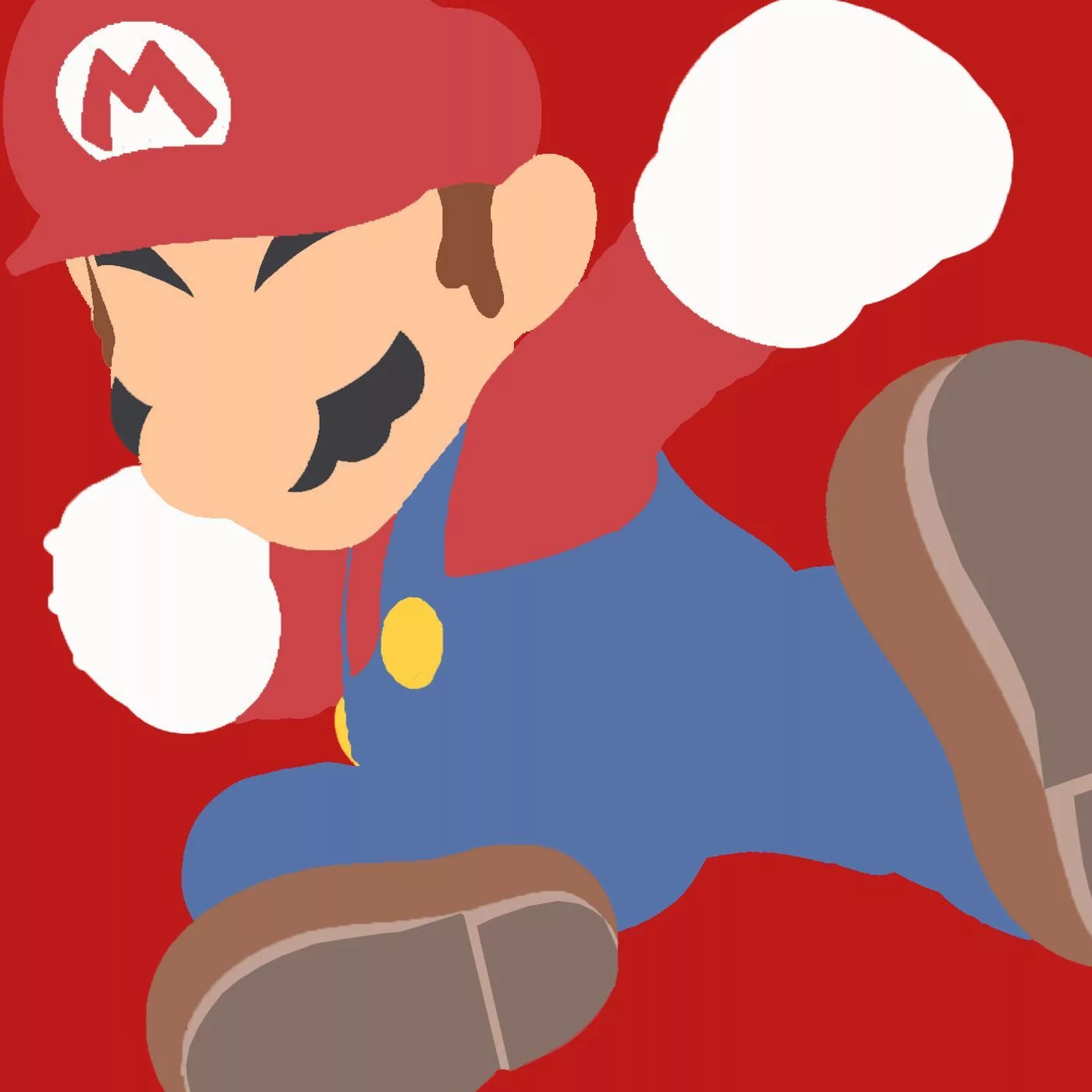
Mario is more than a character—he is a cultural symbol. As discussed in the OH!CAST interview with author Alyse Knorr, Mario represents video games themselves in the same way Mickey Mouse represents animation. By the time Super Mario Bros. 3 launched, Nintendo understood that Mario was their flagship icon, and they invested heavily in quality, polish, and creativity.
The game arrived with unprecedented hype, including cross-media marketing like The Wizard movie, Nintendo Power magazine coverage, and even McDonald’s tie-ins. This wasn’t just a sequel—it was a cultural event that helped cement Mario’s place in gaming history, especially in Western markets where the franchise had nearly lost momentum after the confusing release of Super Mario Bros. 2.
Japanese Influences Hidden in Plain Sight
One of the most fascinating aspects of Super Mario Bros. 3 is how deeply it draws from Japanese culture—often without Western players realizing it. The iconic Raccoon Mario, for example, is inspired by the tanuki, a mythical raccoon dog from Japanese folklore known for shape-shifting and magical abilities.
In Japan, tanuki are mischievous tricksters and symbols of prosperity, often depicted flying or transforming. American and European children simply accepted that Mario could fly with a tail or turn into a statue, demonstrating how seamlessly Nintendo blended cultural symbolism into universal gameplay.
Costumes themselves were a major innovation. Rather than simple power-ups, Mario puts on suits—the raccoon suit, frog suit, and statue suit—reflecting influences from Japanese kawaii culture and theatrical traditions like kabuki, where identity and performance are fluid.
Game Design That Teaches Without Words
One reason Super Mario Bros. 3 still feels so good to play is its brilliant design philosophy. The game never explains itself with text or tutorials. Instead, it teaches players how to play through level layout alone. Enemy placement, power-up positioning, and environmental cues guide the player naturally.
The first level subtly introduces running, jumping, flying, and power-ups without ever stopping the action. Difficulty scales gradually, keeping players in a perfect flow state—challenging but never unfair. This approach has influenced countless modern games and remains a masterclass in intuitive design.
World Maps, Biomes, and Exploration
Another revolutionary feature was the world map. For the first time in a Mario game, players could zoom out and see their progress across distinct biomes: desert worlds, ice worlds, water worlds, and sky worlds. Each area had its own enemies, music, and atmosphere, reinforcing a sense of exploration and discovery.
This structure laid the groundwork for later classics like Super Mario World and Super Mario 64, and even modern open-world games owe something to the exploratory joy Mario 3 perfected.
Music That Became Legendary
Composer Koji Kondo delivered one of the most recognizable soundtracks in gaming history. Drawing on his background in marimba, jazz, and rhythm-driven music, Kondo created themes that were catchy, varied, and perfectly matched to each world. From reggae-inspired beats to playful melodies, the music added emotional texture and memorability that still resonates today.
Why Super Mario Bros. 3 Still Matters
As Alyse Knorr explains, Super Mario Bros. 3 is also deeply personal for many players. It represents childhood, family connections, and comfort. The game’s familiarity offers a sense of control and accomplishment, especially in chaotic adult lives. Knowing where every secret is and how to overcome every challenge can be reassuring—and joyful.
Ultimately, Super Mario Bros. 3 succeeds because it balances artistry, accessibility, and innovation. It is both nostalgic and timeless, simple yet deeply crafted. That rare combination is why it continues to define not just Mario, but video games as a whole.
Chapters
00:00 Introduction and Technical Difficulties
00:37 Alyse Noor: A Gamer’s Journey
02:09 The Enduring Legacy of Super Mario Brothers 3
06:42 Exploring Queer Identity Through Gaming
09:30 The Artistry of Super Mario Brothers 3
10:38 The Cultural Impact of Mario and Nintendo
15:42 The Social Aspect of Gaming
18:38 Gaming as a Source of Meaning
20:13 Introducing Gaming to the Next Generation
23:51 The Evolution of Mario Games
28:14 The Marketing Genius Behind Mario 3
31:37 The Rise of Mario and Sonic: A Console War
34:38 Nostalgia and Community: The Mario Experience
36:56 The Evolution of Gaming Culture: From Mario to Modern Games
40:40 The Creative Process: Writing About Mario
44:46 Miyamoto’s Vision: The Heart of Mario
48:07 The Leap to 3D: Mario 64’s Impact
52:22 Quickfire Round: Mario Favorites