

Brent Forrester Interview: Comedy, Craft, and the Secrets Behind Iconic TV Writing
The Brent Forrester Interview on OH!CAST is one of the most insightful deep‑dives into comedy writing you’ll find anywhere in 2026. Forrester—known for The Simpsons, King of the Hill, and The Office—brings decades of experience, sharp humour, and rare behind‑the‑scenes stories that illuminate how great comedy is actually built. This conversation is a goldmine for writers, creators, and fans of television history.
In this breakdown, we explore the biggest lessons and revelations from the Brent Forrester Interview, using key moments from the transcript to highlight his philosophy and process.
How Brent Forrester Became a Comedy Writer
One of the most surprising parts of the Brent Forrester Interview is how unconventional his path was. Unlike many comedy writers who grew up obsessed with TV, Forrester didn’t even have a television in the house. As he explains:
“My mom… would not allow television in the house when I was growing up in the 1970s.”
Instead, books shaped his early creative instincts. He entered writing contests, studied short stories, and eventually realised that short‑form fiction wasn’t a sustainable career. That led him to seek out other forms of writing—journalism, soap operas, and finally television.
His first major break came from Susan Harris, legendary creator of Soap and The Golden Girls. Her mentorship shaped the foundation of his comedic voice.
The Three Rules That Changed His Career
The Brent Forrester Interview reveals three core principles Susan Harris taught him—principles that still guide his writing today.
- “Silly isn’t funny.” Forrester explains that early attempts at comedy often lean on zaniness, but real comedy requires dramatic grounding.
- Write the way people talk. Naturalism—messy, overlapping, imperfect dialogue—is the backbone of modern comedy.
- Write about what is difficult or painful. This is the heart of Forrester’s philosophy. As he recalls:
“Write about what is difficult for you, even painful… and trust that it will come out funny.”
These insights are some of the strongest takeaways from the Brent Forrester Interview, and they explain why his work resonates so deeply.
Inside The Simpsons Writer’s Room
The Brent Forrester Interview gives a rare look at the intimidating environment behind The Simpsons during its golden era. Forrester joined in Season 5, surrounded by Harvard‑educated writers who pitched fully formed jokes on command. Silence meant failure. A weak pitch damaged your reputation.
He describes it as “the most intimidating room I’ve ever been in,” with writers staring at scripts for twelve hours a day, hunting for better jokes.
This pressure cooker environment produced some of the most iconic comedy in TV history.
How “Lemon of Troy” Was Born
One of the highlights of the Brent Forrester Interview is his breakdown of Lemon of Troy, the fan‑favourite Simpsons episode he wrote. He explains how he pitched “Springfield vs Shelbyville” because it was a character combination the show had never explored.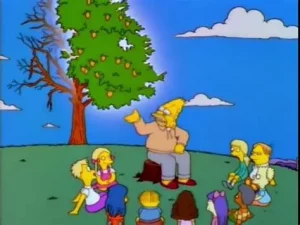
He drew inspiration from epic tales like The Trojan War, creating comedic contrast between grand stakes and children fighting over a lemon tree. The flashbacks, the world‑building, and the mirror‑universe feel all came from his love of sci‑fi and mythology.
American vs British Comedy: A Writer’s Perspective
The Brent Forrester Interview also dives into cultural differences in comedy. British humour thrives on bluntness and social discomfort, while American comedy leans toward warmth and likability. This contrast shaped the evolution of The Office from its British roots into a more heartfelt American version.
Why This Interview Matters
The Brent Forrester Interview is more than a conversation—it’s a masterclass. Forrester’s insights into pain‑driven comedy, naturalistic dialogue, and story structure offer invaluable lessons for writers and creators. His stories from The Simpsons and The Office illuminate how iconic television is crafted behind the scenes.
If you’re passionate about comedy, storytelling, or TV history, this interview is essential listening.